


The Ultimate ZBrush Guide
Learn ZBrush properly, once!
A step-by-step path through ZBrush for absolute beginners. Start today, move at your own pace, keep it for life.





Built for where you are
Sound Familiar?
🤯
"I open ZBrush, look at all those buttons, and close it again... it's just too complicated."
😞
"I can push clay around, but everything comes out blobby, like I have no control."
😫
"I've followed plenty of tutorials, but I still can't make anything on my own that looks polished."

Your Instructor
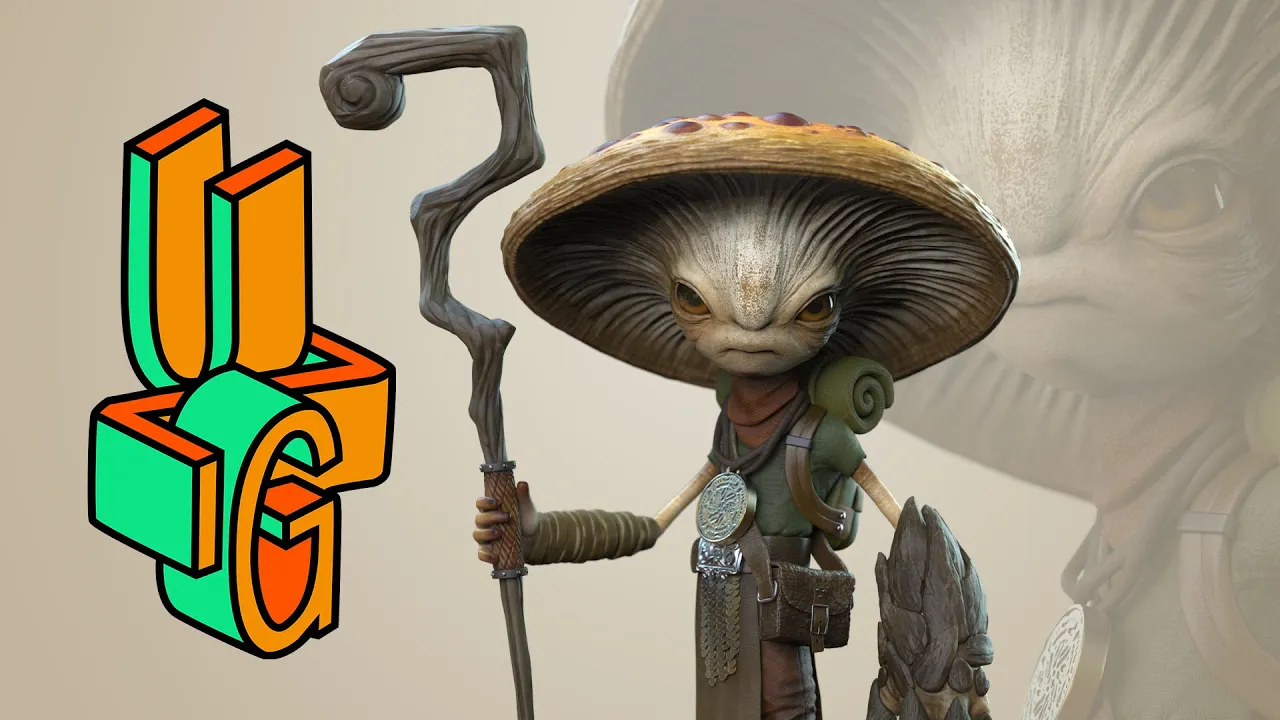
My name is Pablo Munoz Gomez and I'll be your instructor throughout the UZG. This course is the result of more than three years of planning, testing and refining a step-by-step method that helps you understand how ZBrush actually works... not just which buttons to press, but the reasoning behind each decision. Whether you're completely new to 3D or coming from another program, the UZG gives you the foundations to build whatever you want.
Course Modules
So how does it all fit together?
Seven core modules in a deliberate order, where each new tool arrives at the moment you actually need it. Every part of the character is built a different way, so you cover ZBrush broadly without ever learning a feature in isolation. Four bonus modules go further once your foundations are solid.
🏛️ The Fundamentals
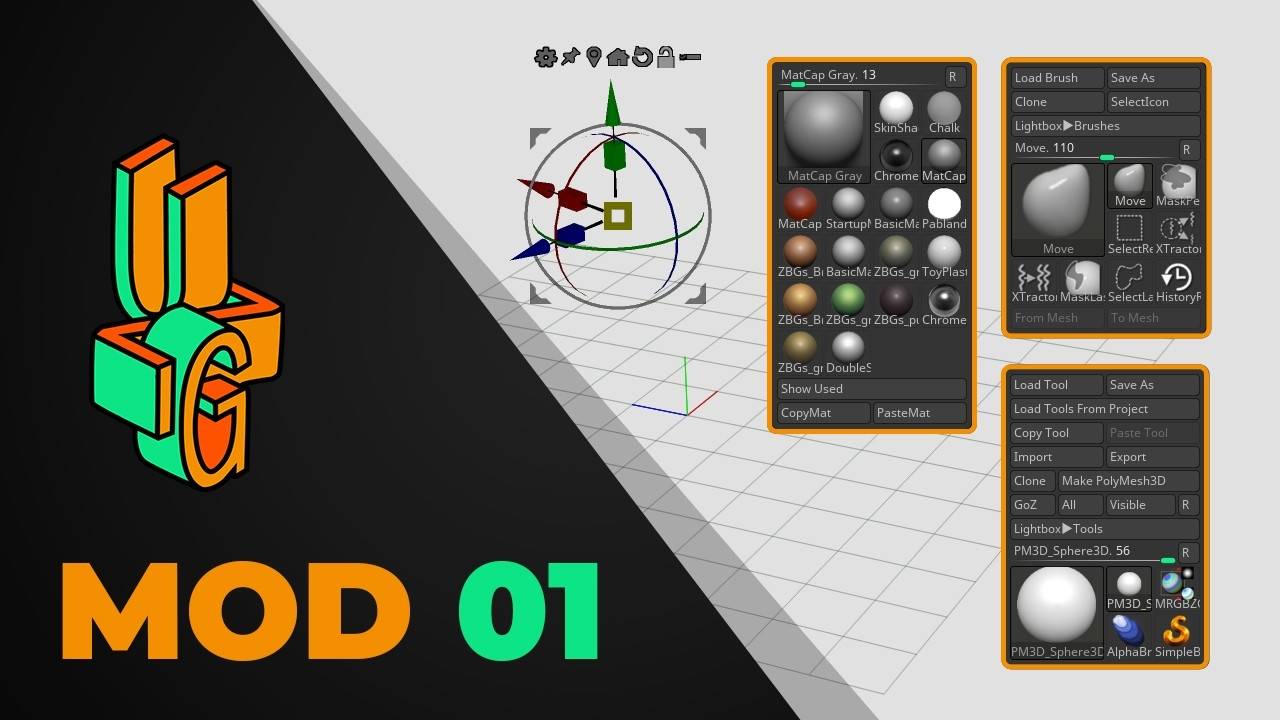
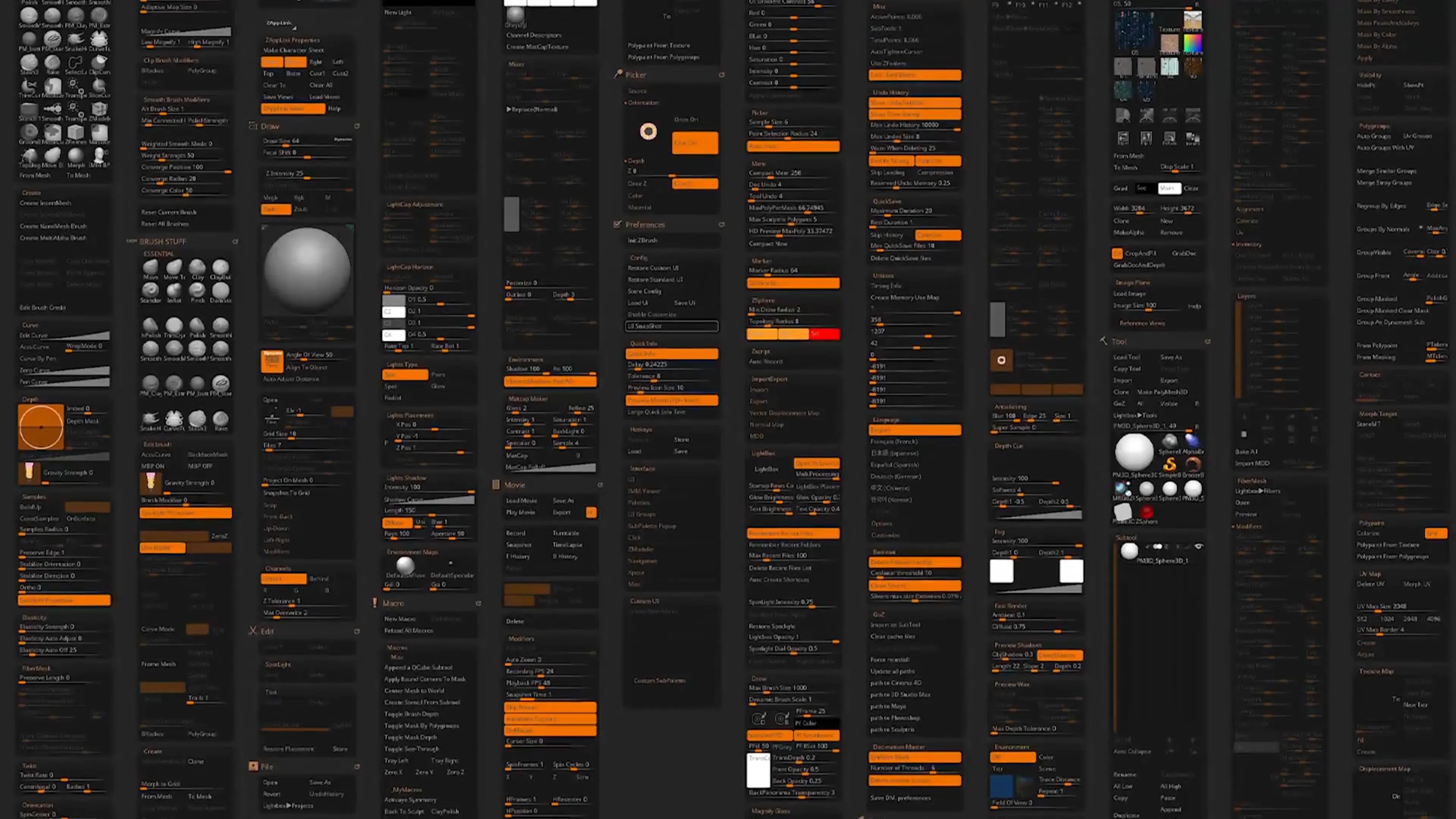
This first module is all about the most basic but crucial concepts in ZBrush like the Pixol. Mastering this first step will allow you to get a deep understanding of how and WHY some tools work the way they do in ZBrush!
🏛️ The Fundamentals
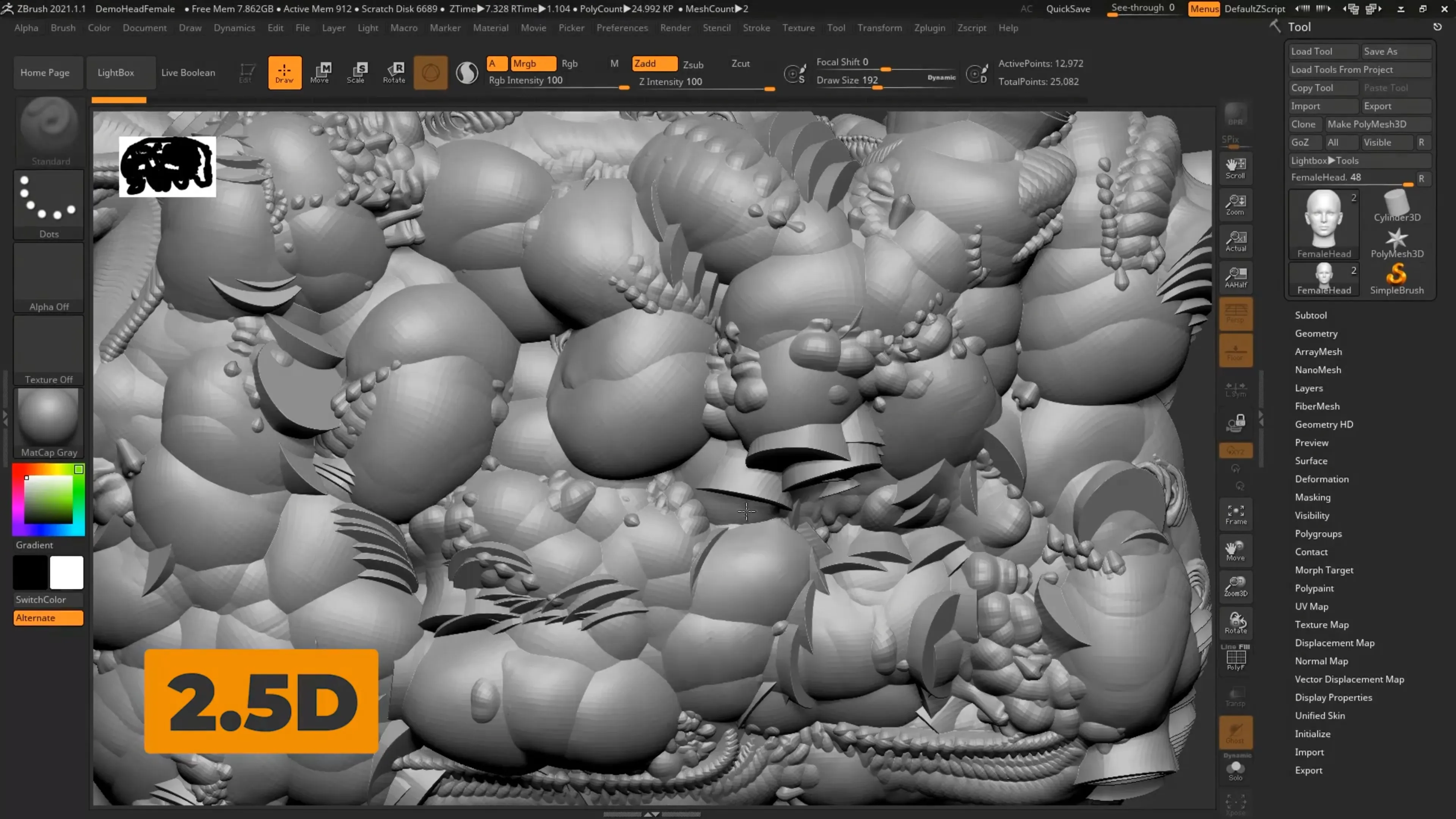
This first module is all about the most basic but crucial concepts in ZBrush like the Pixol. Mastering this first step will allow you to get a deep understanding of how and WHY some tools work the way they do in ZBrush!
.jpg)
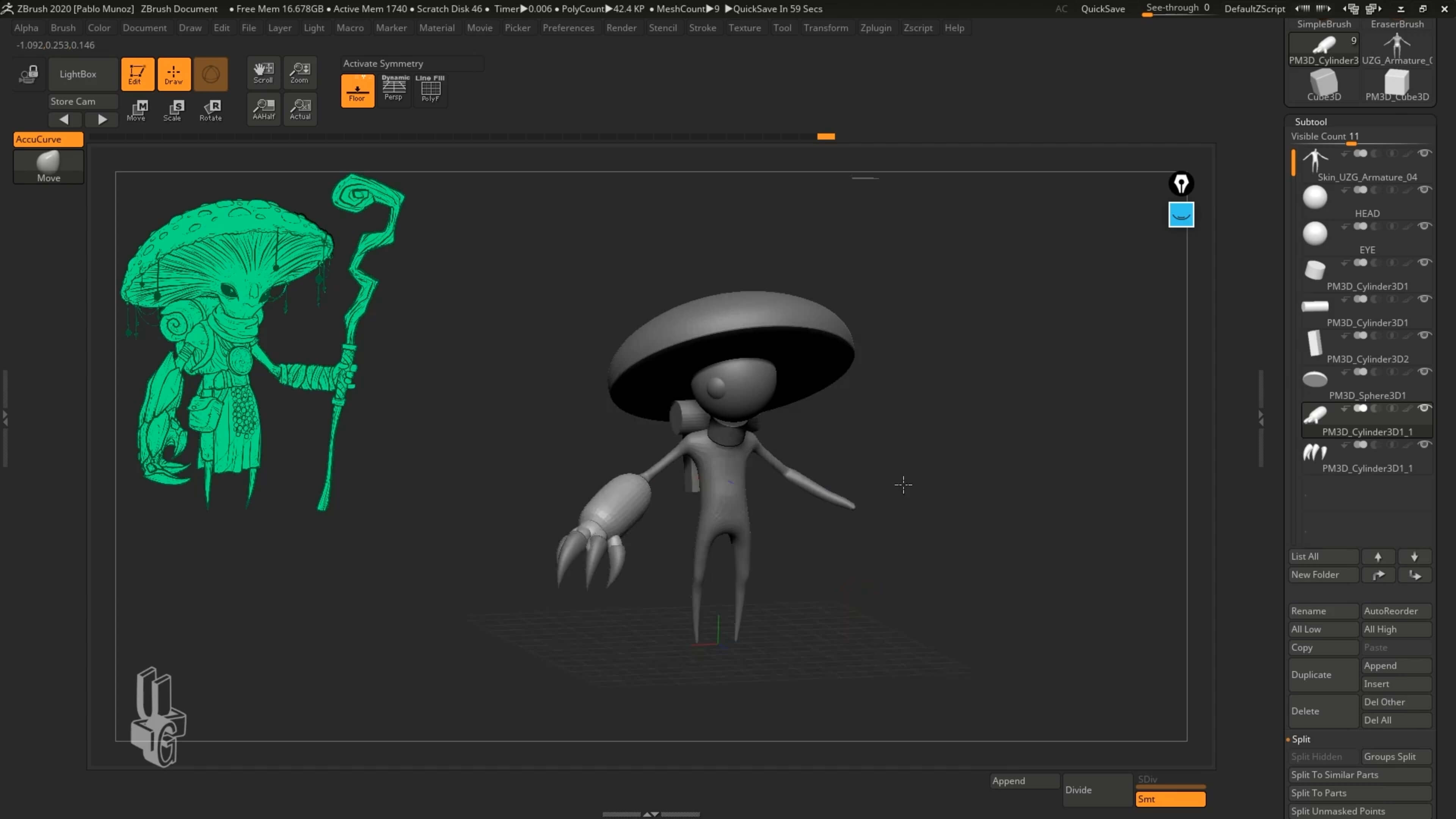
🧱 Blocking and Design
This module is all about setting our project for success. We'll focus on techniques that will allow you to create a good-looking 3D base that we can later turn into a polished sculpture!
🧱 Blocking and Design
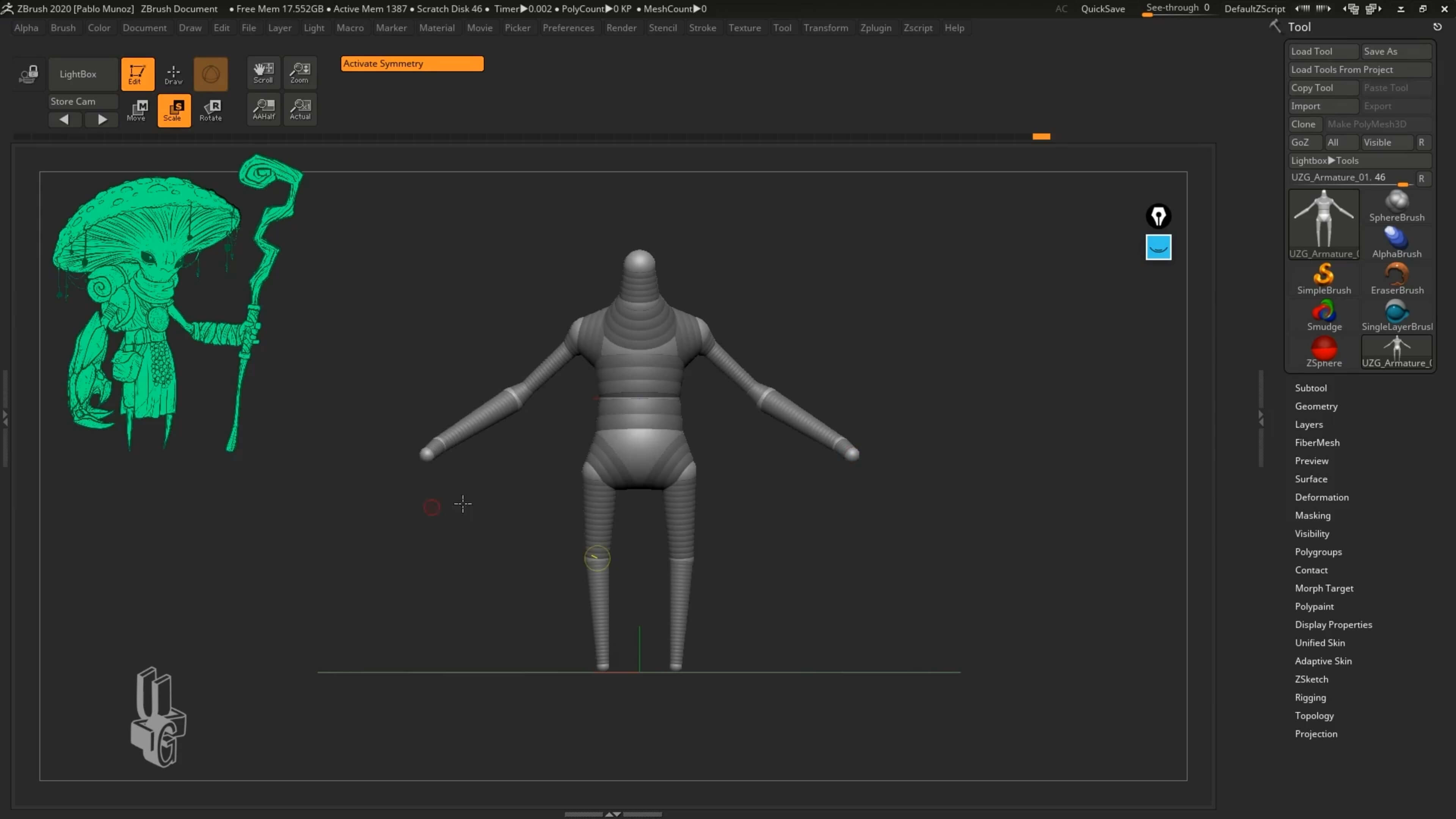
This module is all about setting our project for success. We'll focus on techniques that will allow you to create a good-looking 3D base that we can later turn into a polished sculpture!
🗿 Sculpting
This module is where we'll dive deeper into some of the most powerful features in ZBrush. This will allow you to work your way up from simple primitive shapes to a cool 3D sketch all while developing your sculpting skills!
🗿 Sculpting
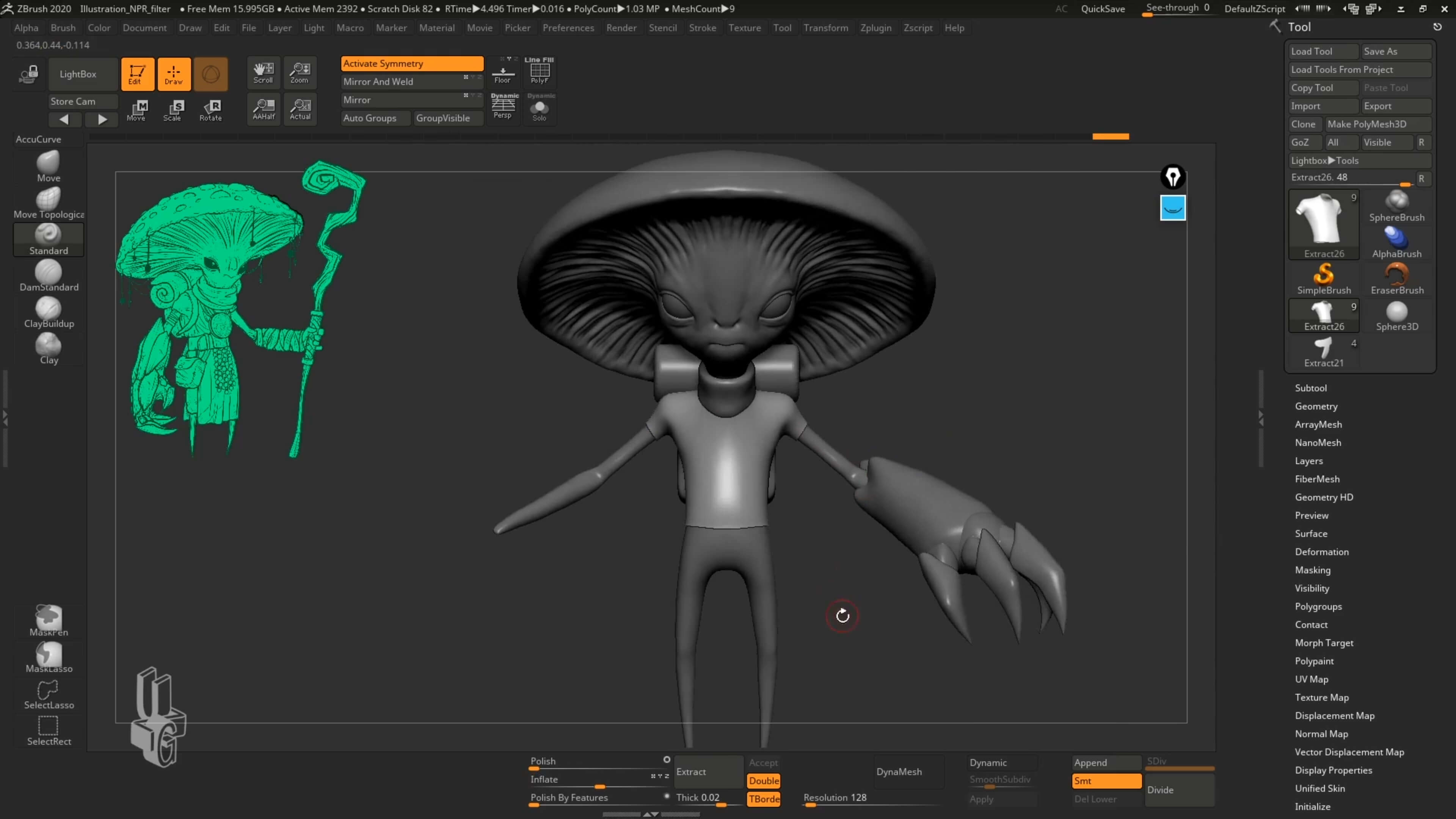
This module is where we'll dive deeper into some of the most powerful features in ZBrush. This will allow you to work your way up from simple primitive shapes to a cool 3D sketch all while developing your sculpting skills!
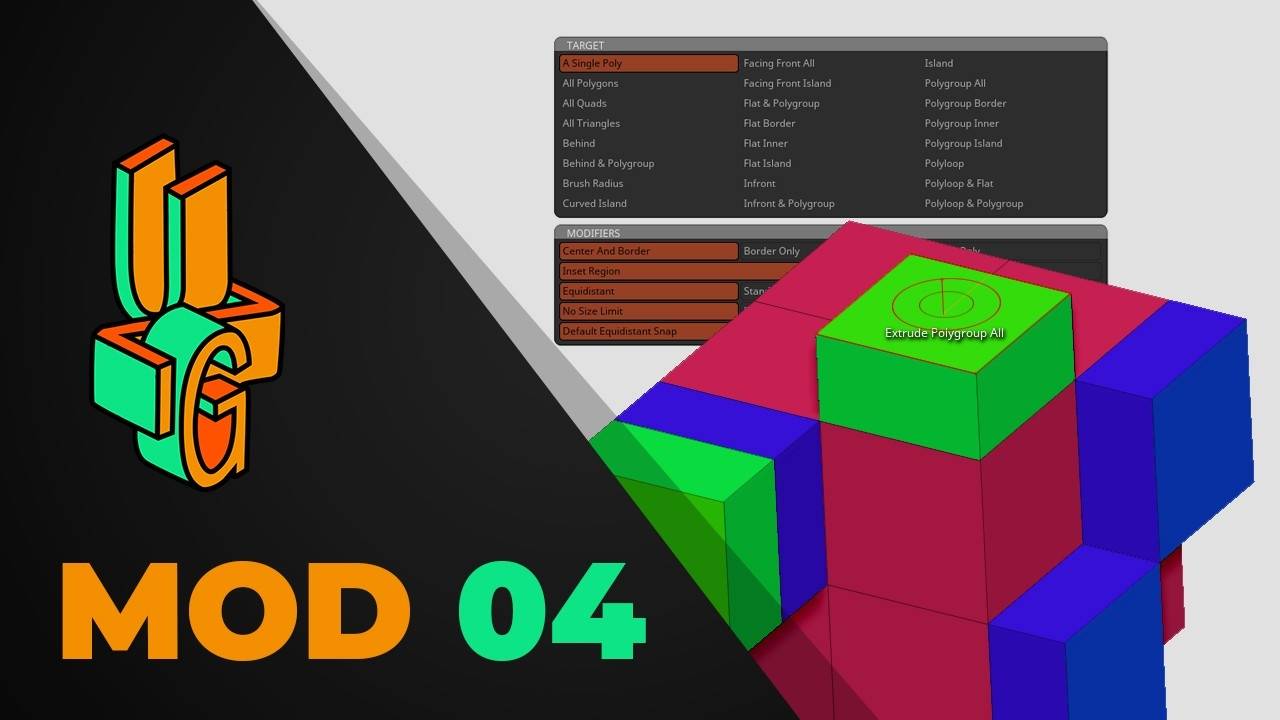
🧑🎨 Modeling
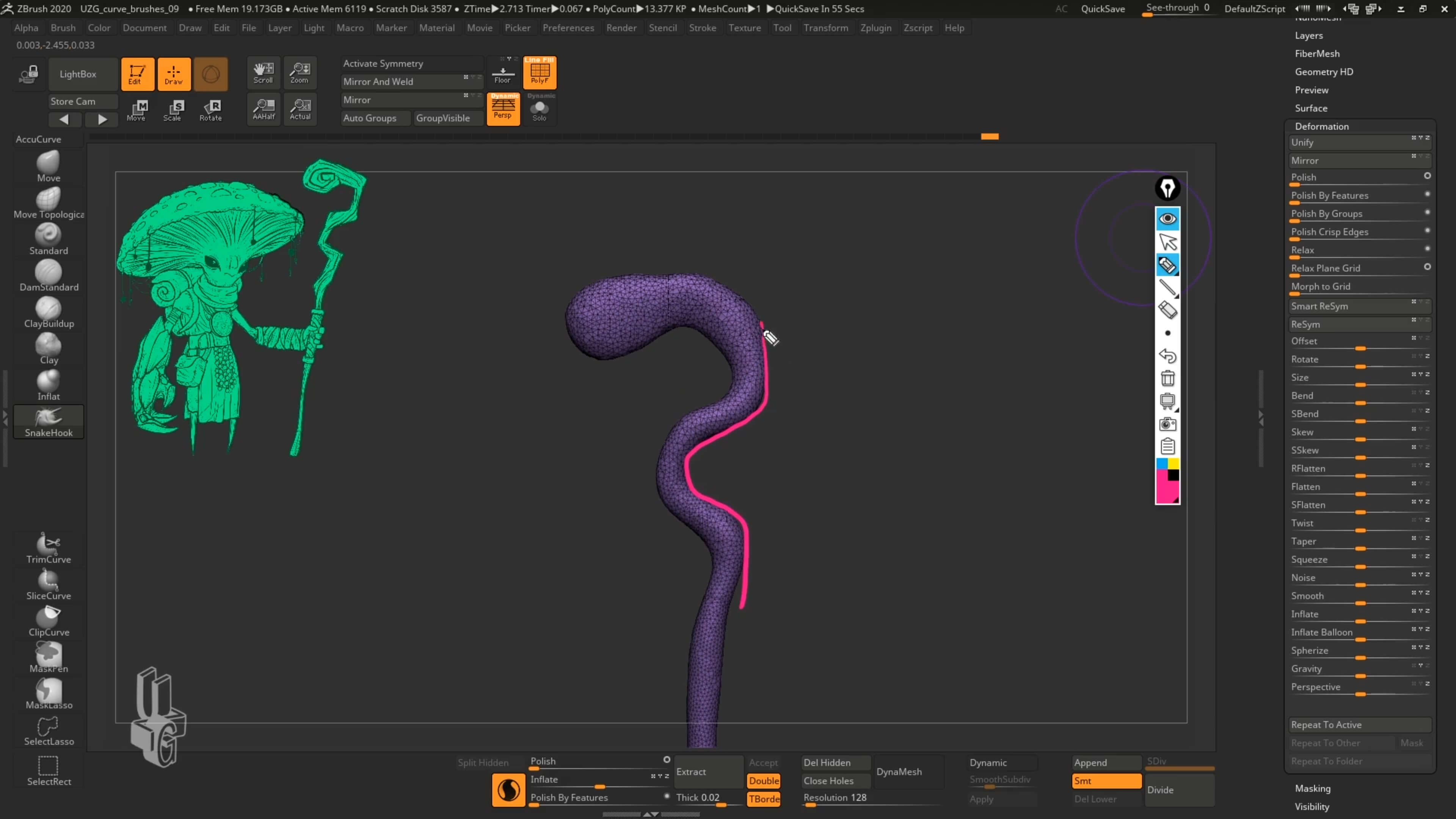
In this module, will depart from the more ‘sketchy’ sculpting methods to focus on a more controlled approach that will allow you to produce clean base meshes for your objects.
🧑🎨 Modeling
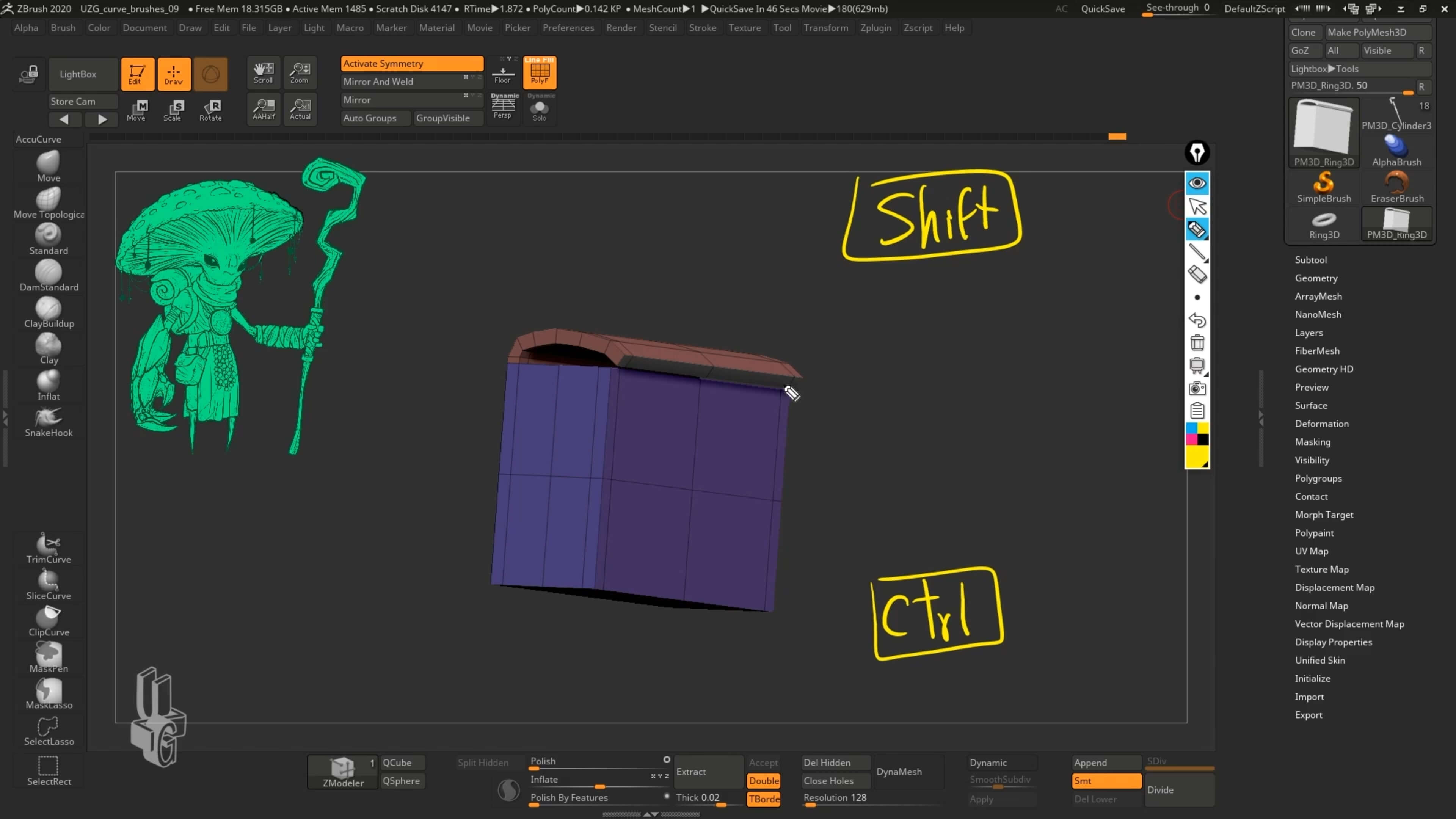
In this module, will depart from the more ‘sketchy’ sculpting methods to focus on a more controlled approach that will allow you to produce clean base meshes for your objects.
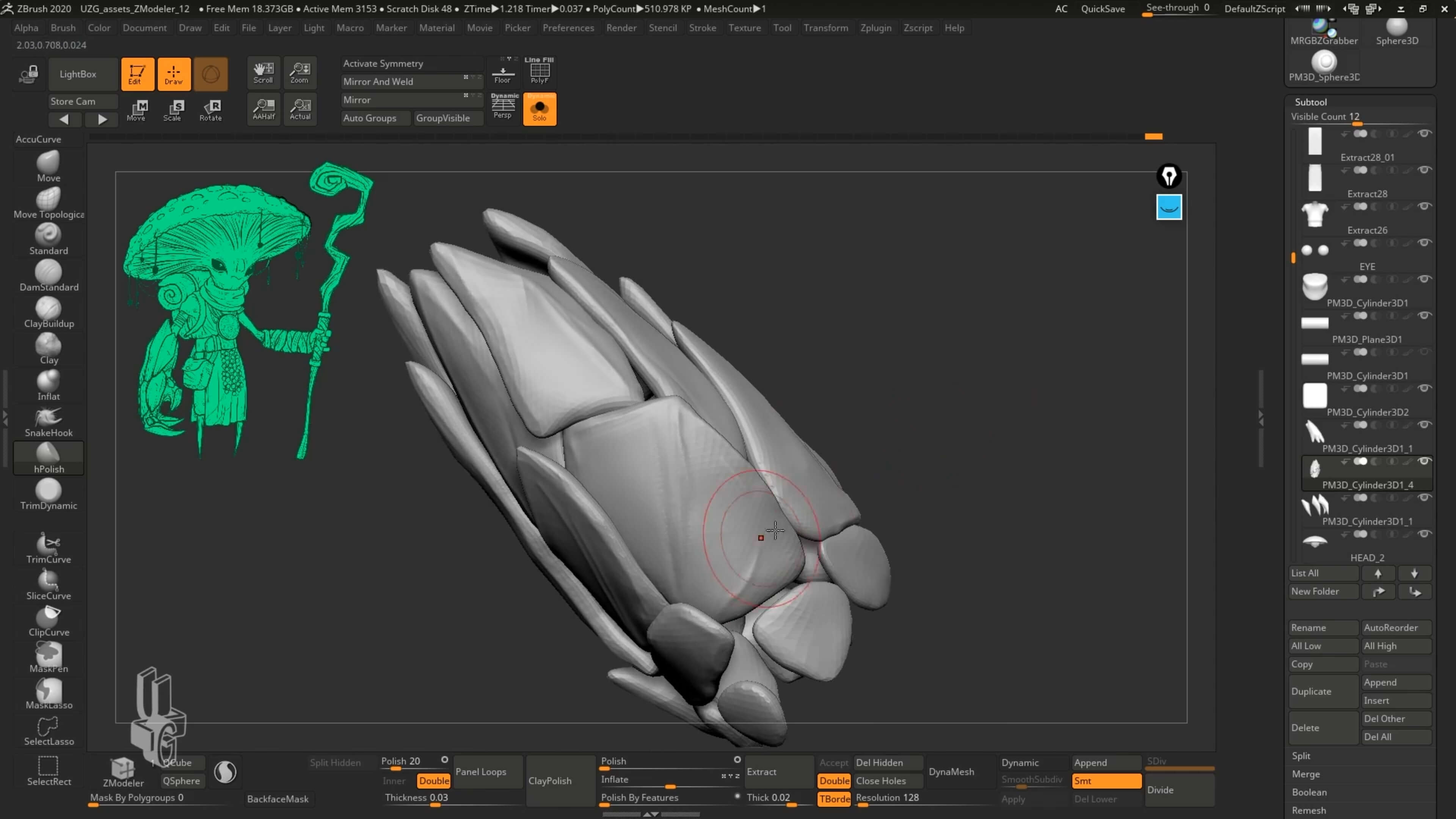
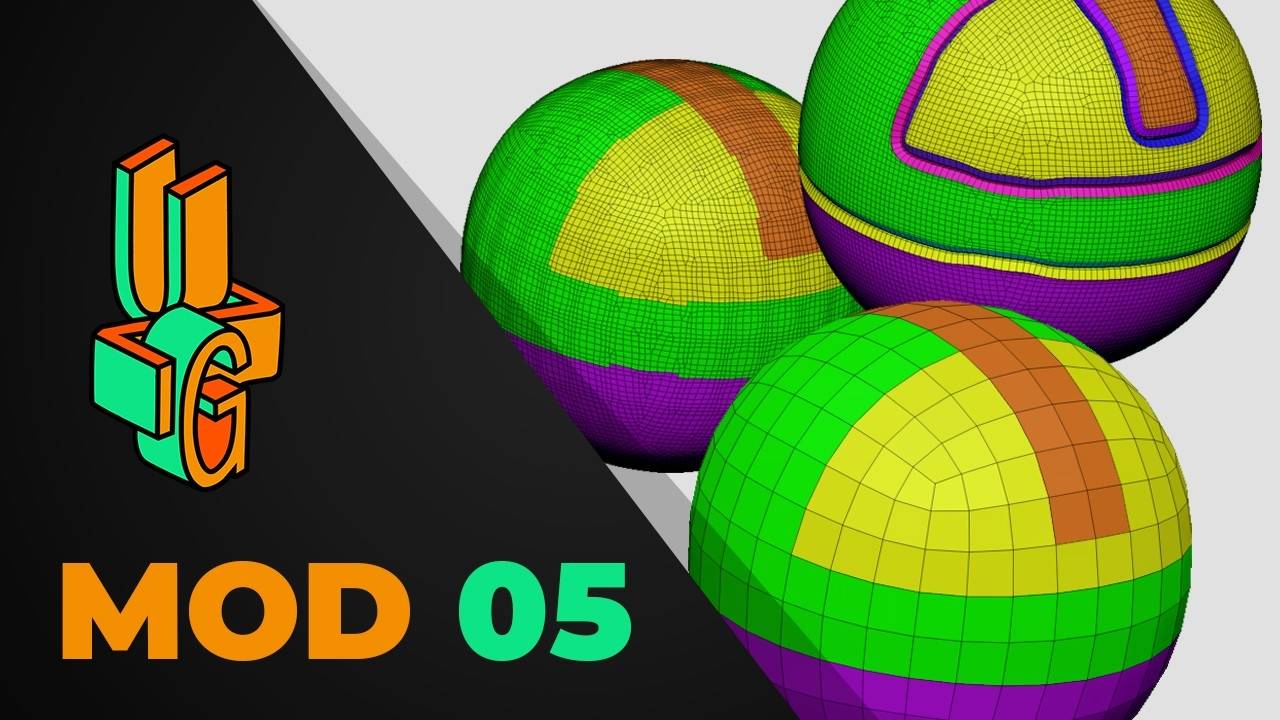
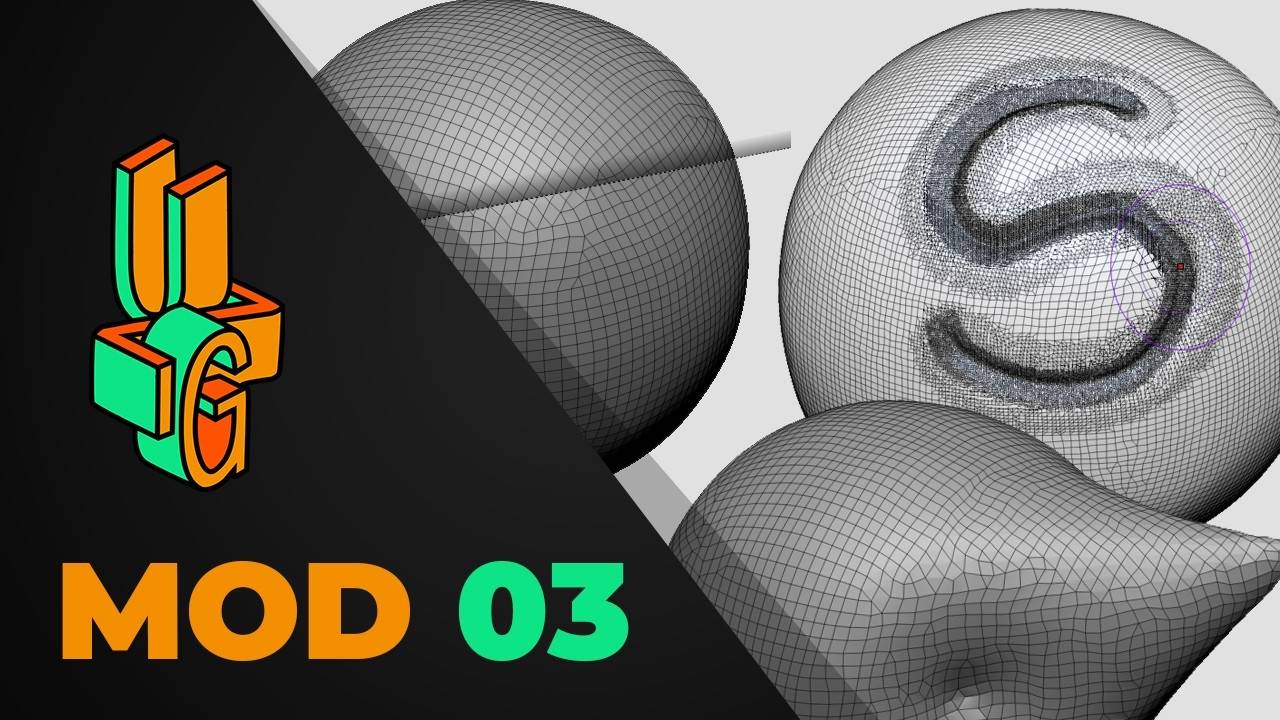
✨ Topology and Polish
At this point in the course, we should have a great sketch in 3D. In this module, we'll focus on polishing the surfaces and turn the sketch into a refined asset with clean volumes.
✨ Topology and Polish
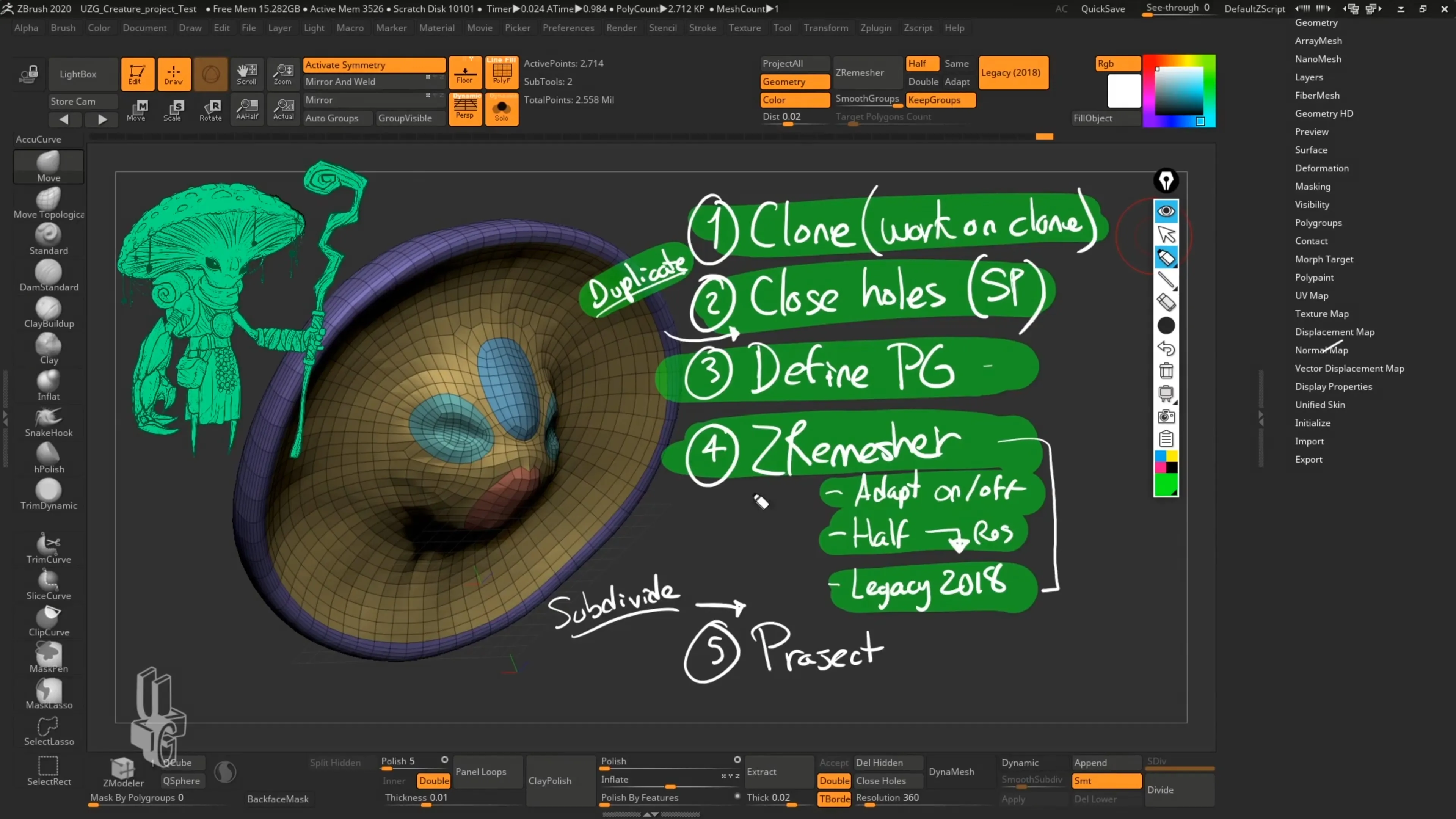
At this point in the course, we should have a great sketch in 3D. In this module, we'll focus on polishing the surfaces and turn the sketch into a refined asset with clean volumes.
.jpg)
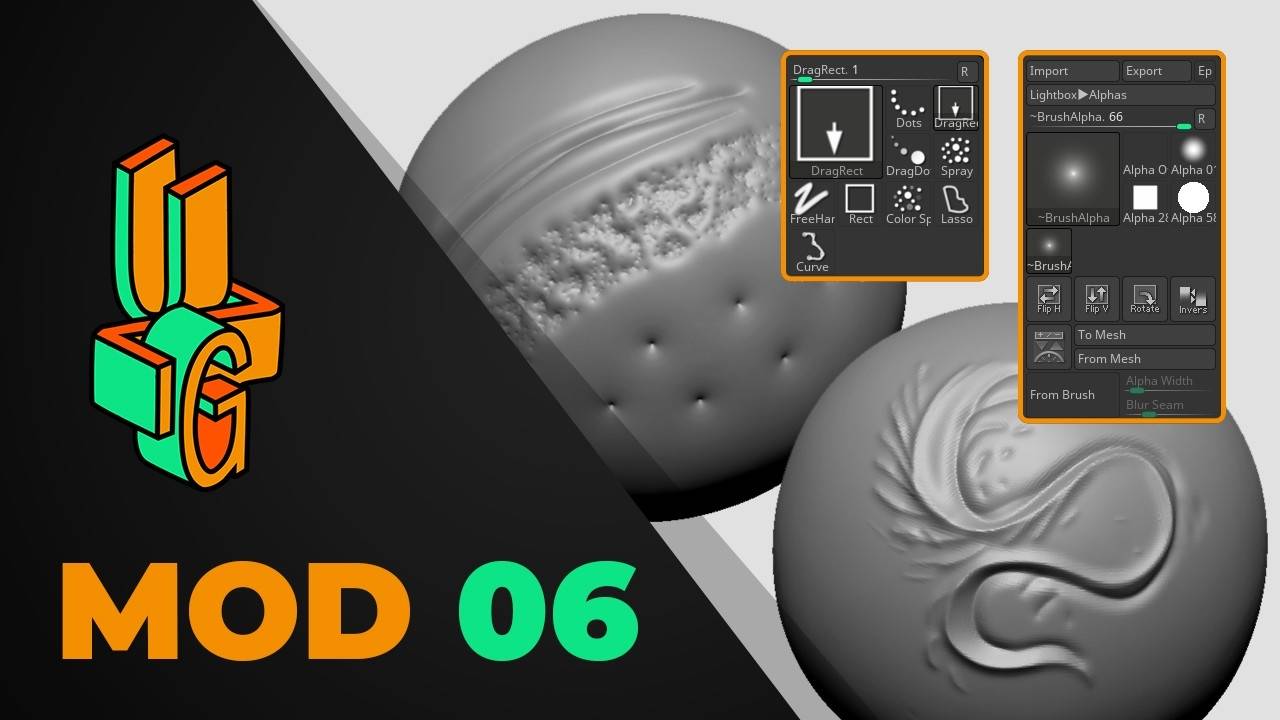
🪄 Detailing and Refinements
Now that we have a set of polished meshes with clean topology, we'll start to take advantage of the subdivision approach and begin our detailing process in ZBrush with some very cool techniques
🪄 Detailing and Refinements
.jpg)
Now that we have a set of polished meshes with clean topology, we'll start to take advantage of the subdivision approach and begin our detailing process in ZBrush with some very cool techniques.
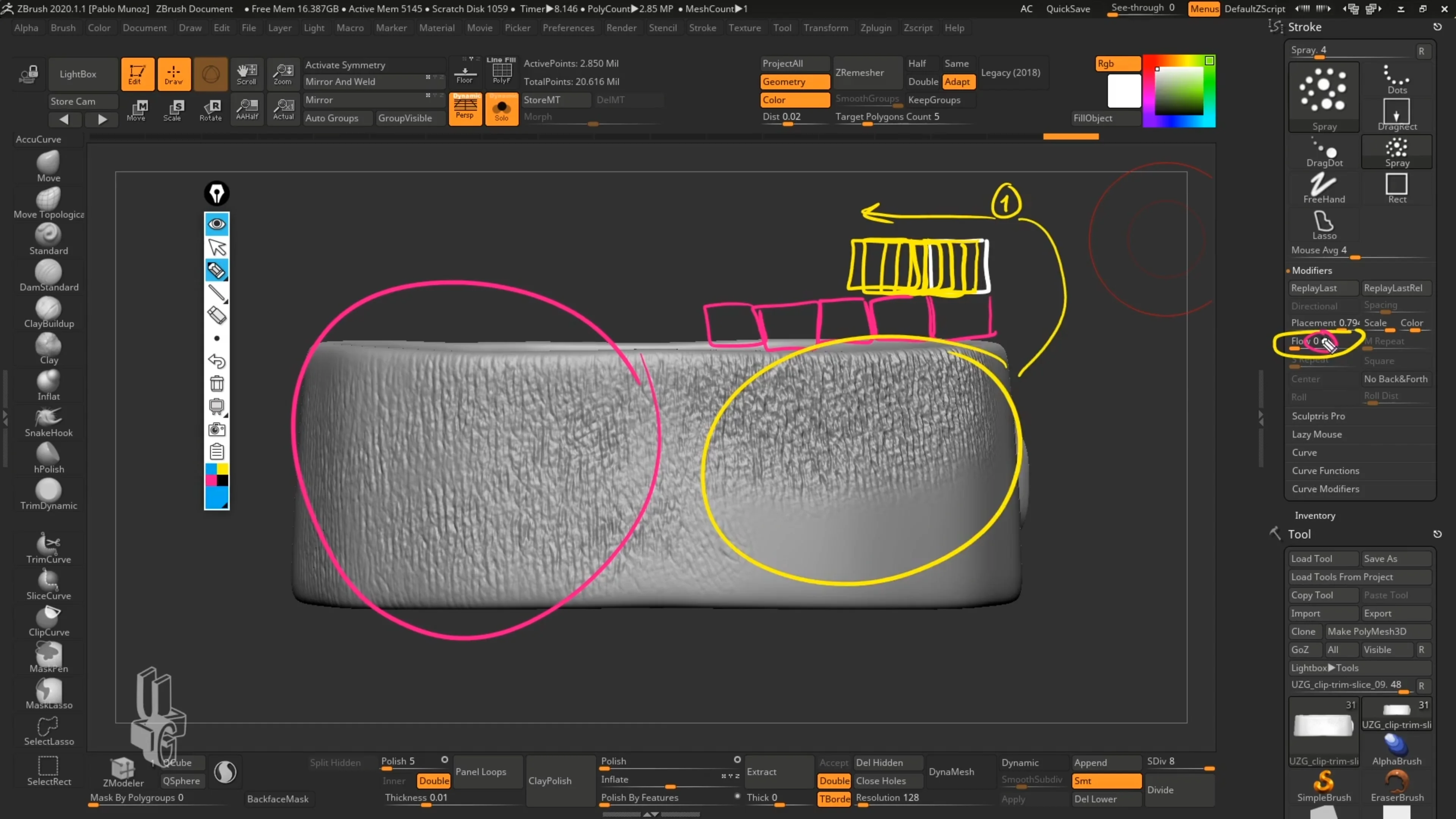
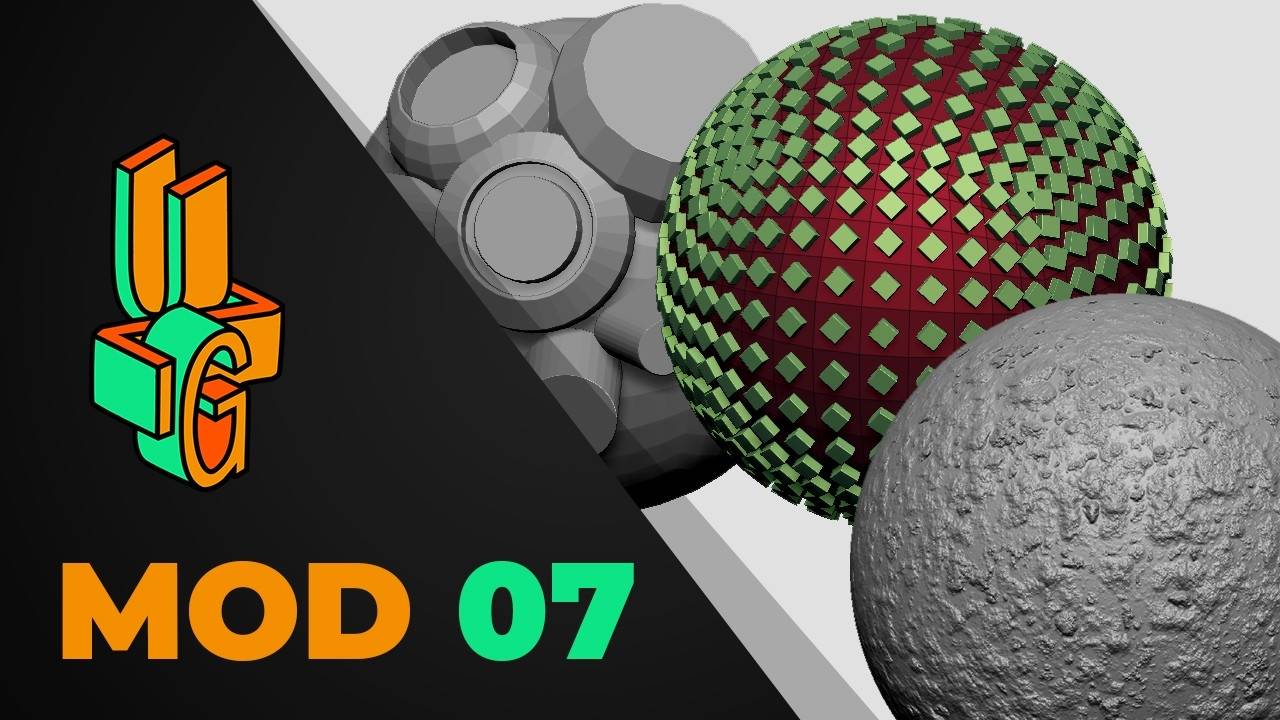
➕ Additional detailing features
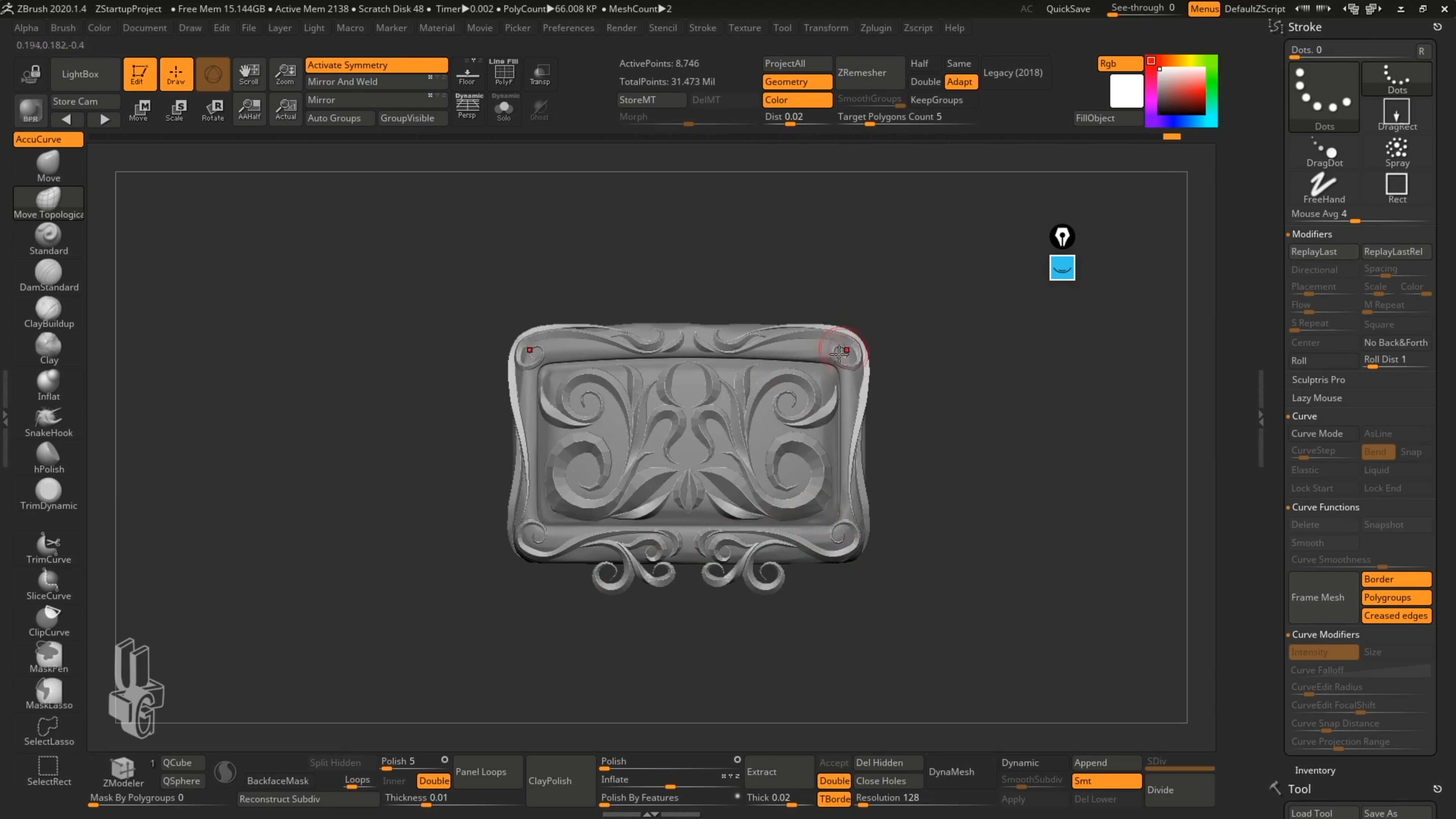
In this module, we are going to tackle some additional techniques for detailing different types of objects and we'll take a look at some processes that can be used in a variety of ways later on.
➕ Additional detailing features
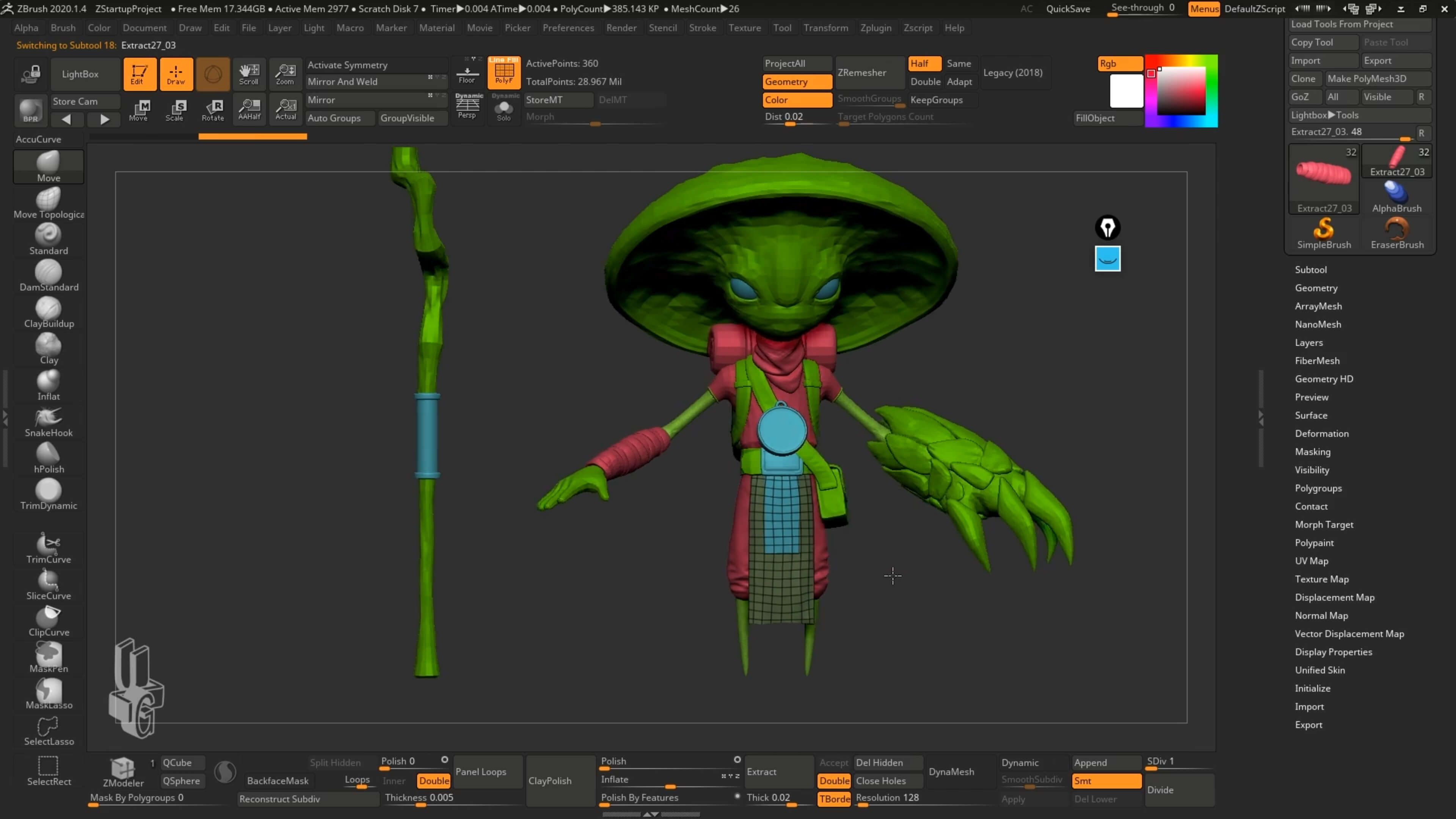
In this module, we are going to tackle some additional techniques for detailing different types of objects and we'll take a look at some processes that can be used in a variety of ways later on.
🖌️ Polypaint
In this bonus module, I will cover the core principles of Polypaint, its capabilities, and the entire workflow to create an interesting texture all within ZBrush.
🖌️ Polypaint
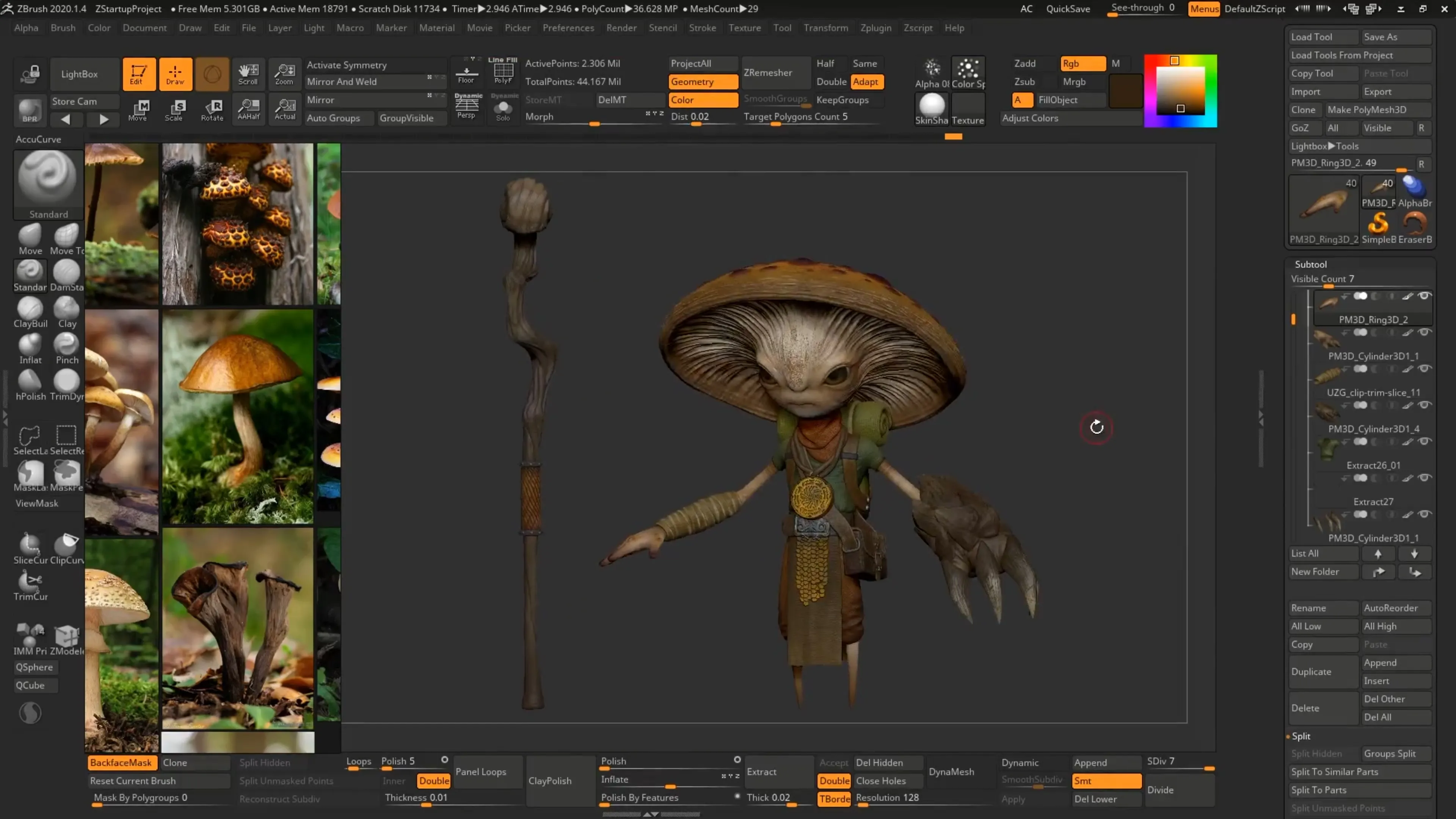
In this bonus module, I will cover the core principles of Polypaint, its capabilities, and the entire workflow to create an interesting texture all within ZBrush.
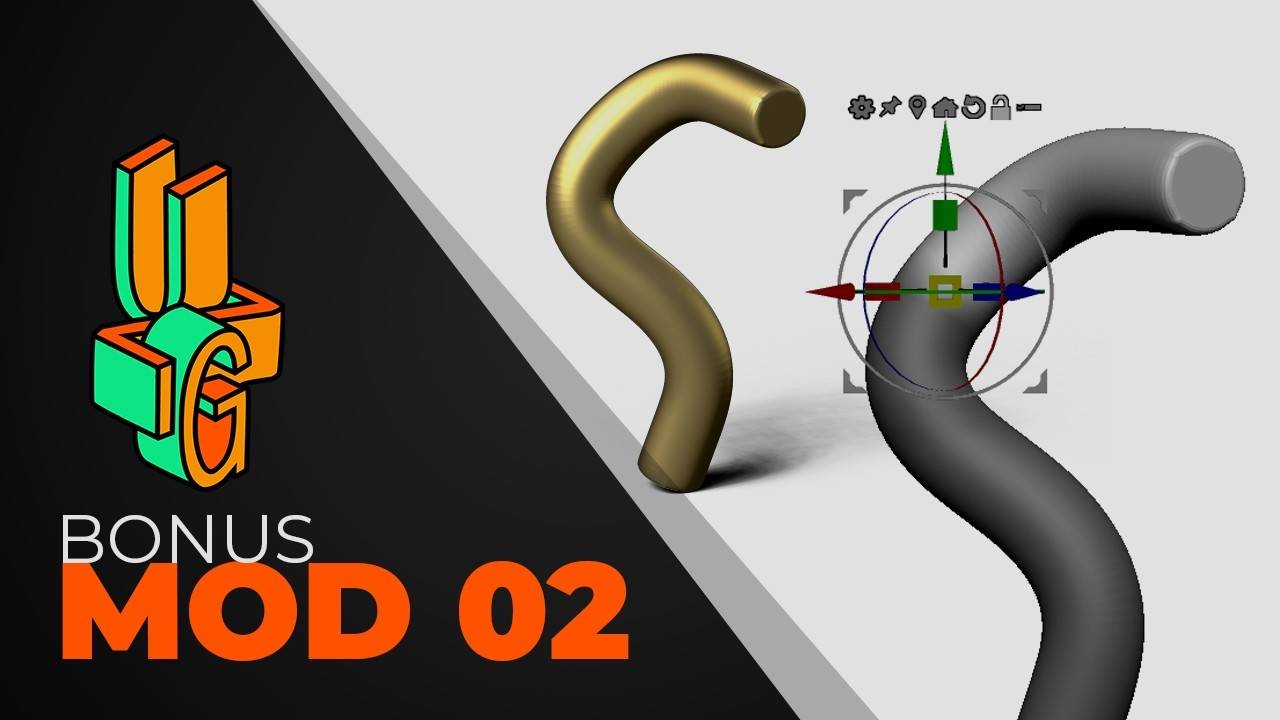
💡Posing and Rendering
In the second bonus module, I'm going to demystify the process of posing characters in ZBrush and I'll walk you through the entire process of rendering passes for compositing (using BPR in ZBrush)
💡Posing and Rendering
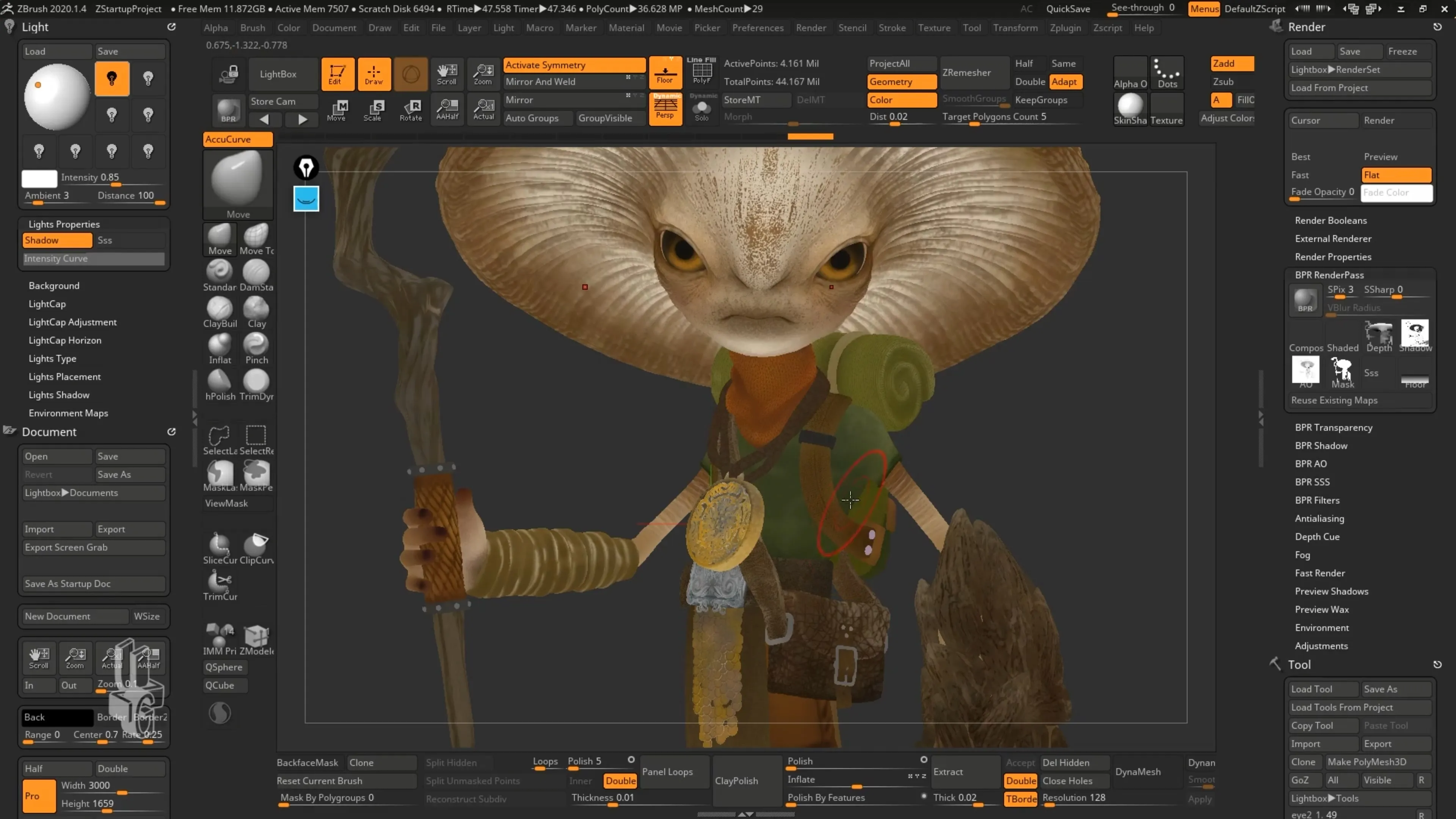
In the second bonus module, I'm going to demystify the process of posing characters in ZBrush and I'll walk you through the entire process of rendering passes for compositing (using BPR in ZBrush)
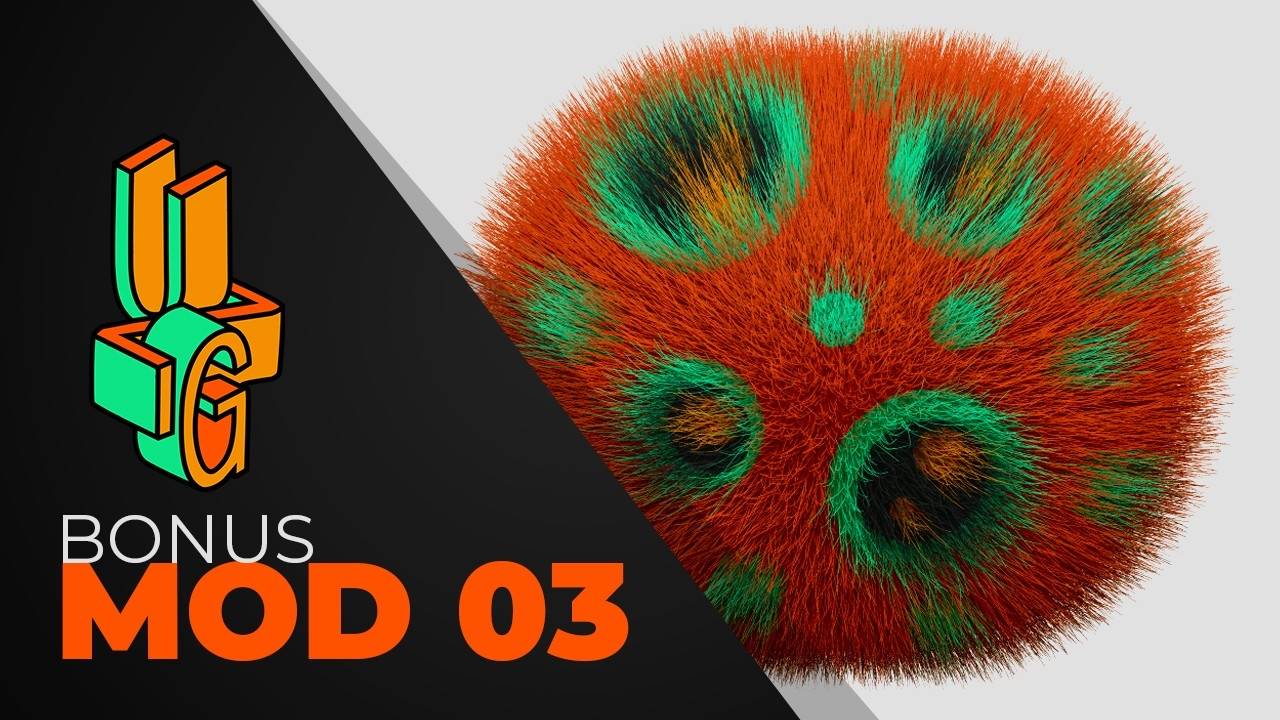
🧶 Working with FiberMesh
In the final bonus module of the course, we are going to take a look at the FiberMesh feature in ZBrush, how to create different fibers, and how to work with it (grooming).
🧶 Working with FiberMesh
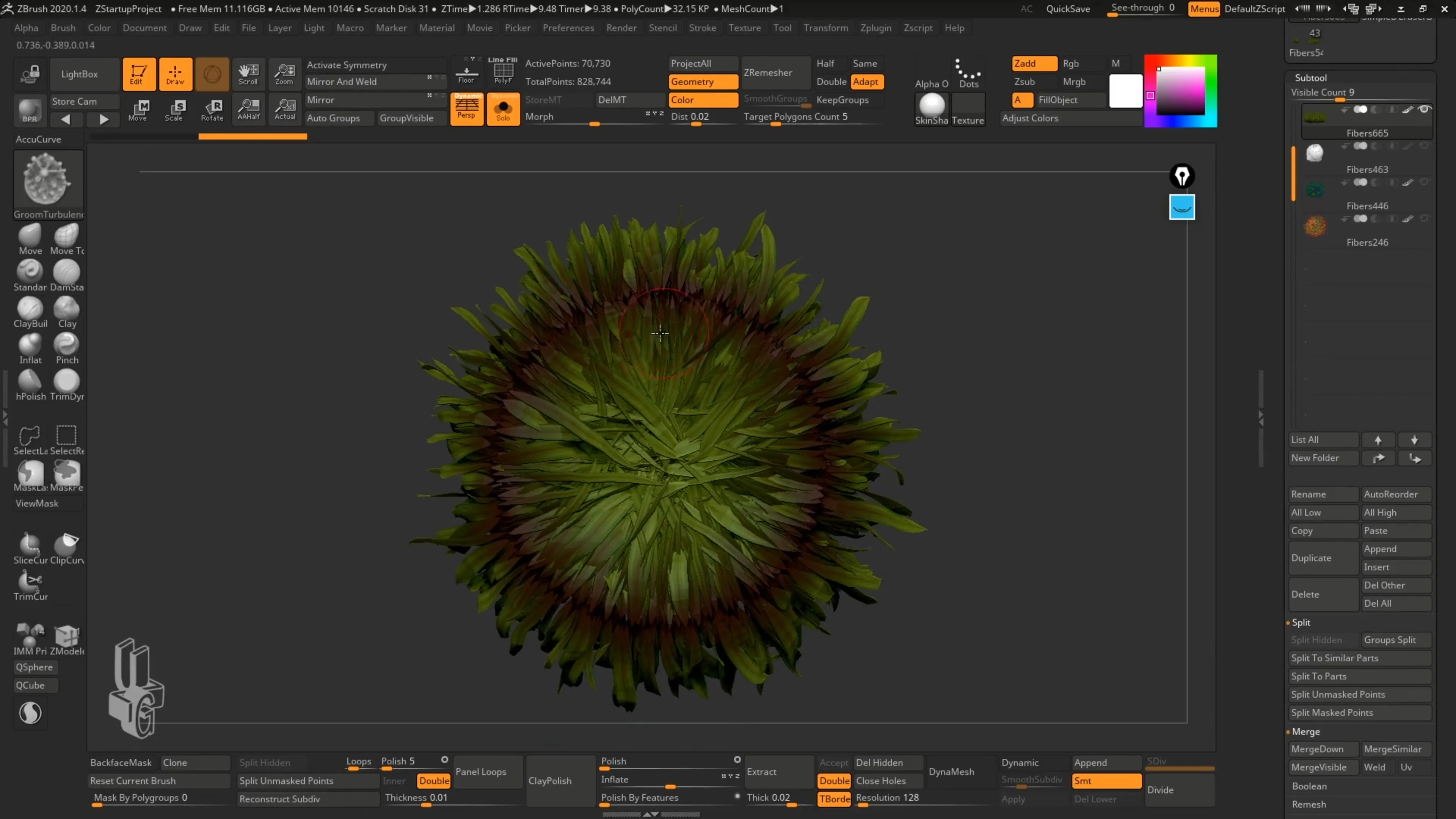
In the final bonus module of the course, we are going to take a look at the FiberMesh feature in ZBrush, how to create different fibers, and how to work with it (grooming).
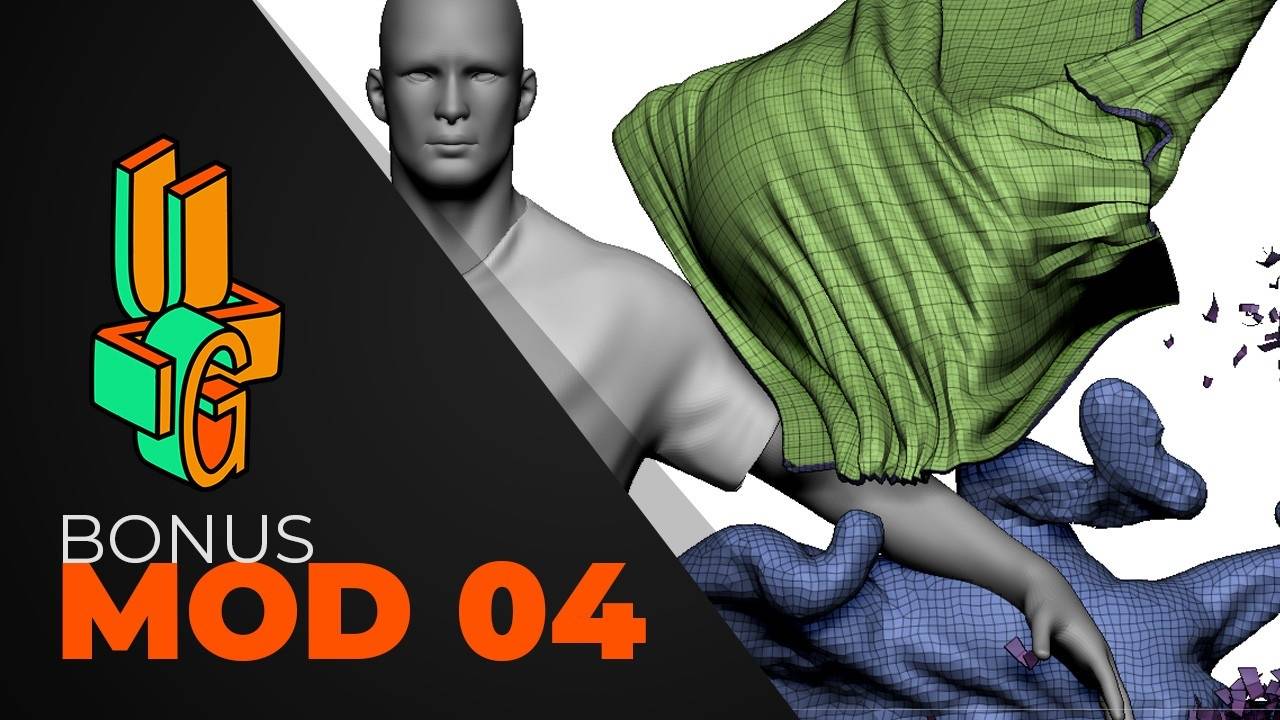
▶️ Additional Features (from live Q&A)
This bonus module is an archive of the Live Q&A Sessions discussing additional ZBrush features like BOOLEANS, DEFORMERS and DYNAMICS.
▶️ Additional Features (from live Q&A)
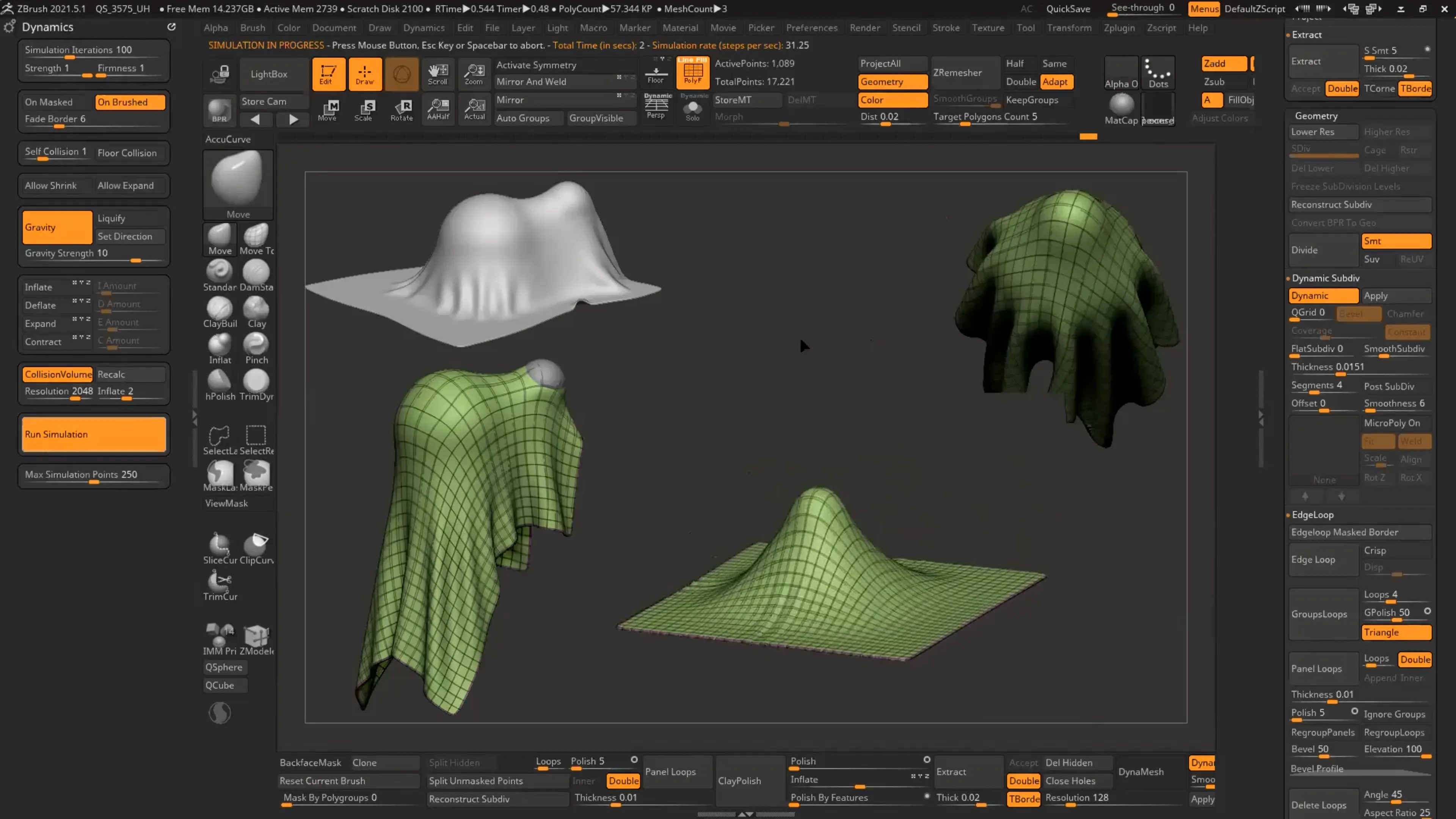
This bonus module is an archive of the Live Q&A Sessions discussing additional ZBrush features like BOOLEANS, DEFORMERS and DYNAMICS.
Why This Course Is Different
How is the UZG different?
The UZG is not a tutorial series. Tutorials are great when you need to solve one specific thing, but they assume you already have the base. This starts from the core principles of how ZBrush works and carries through to detailing, posing and rendering, without skipping the parts in between.
Every lesson pairs the reasoning with the doing, so you're not memorising steps you can't repeat. The goal is that you can look at a new project, work out how to approach it, and start.
01
Step-by-step
With the systematic approach of the course, you build strong foundations one tool at a time, so nothing later in the course arrives before you're ready for it.
02
Focused on workflows
Tools are easy to look up and simple enough on their own. Knowing which to reach for and in what order is the hard part, and that's what the course is built around.
03

Self-paced
Always open, so you can start the moment you're ready and keep it for life. You fit the course around your own schedule, not the other way around ;)
Student work
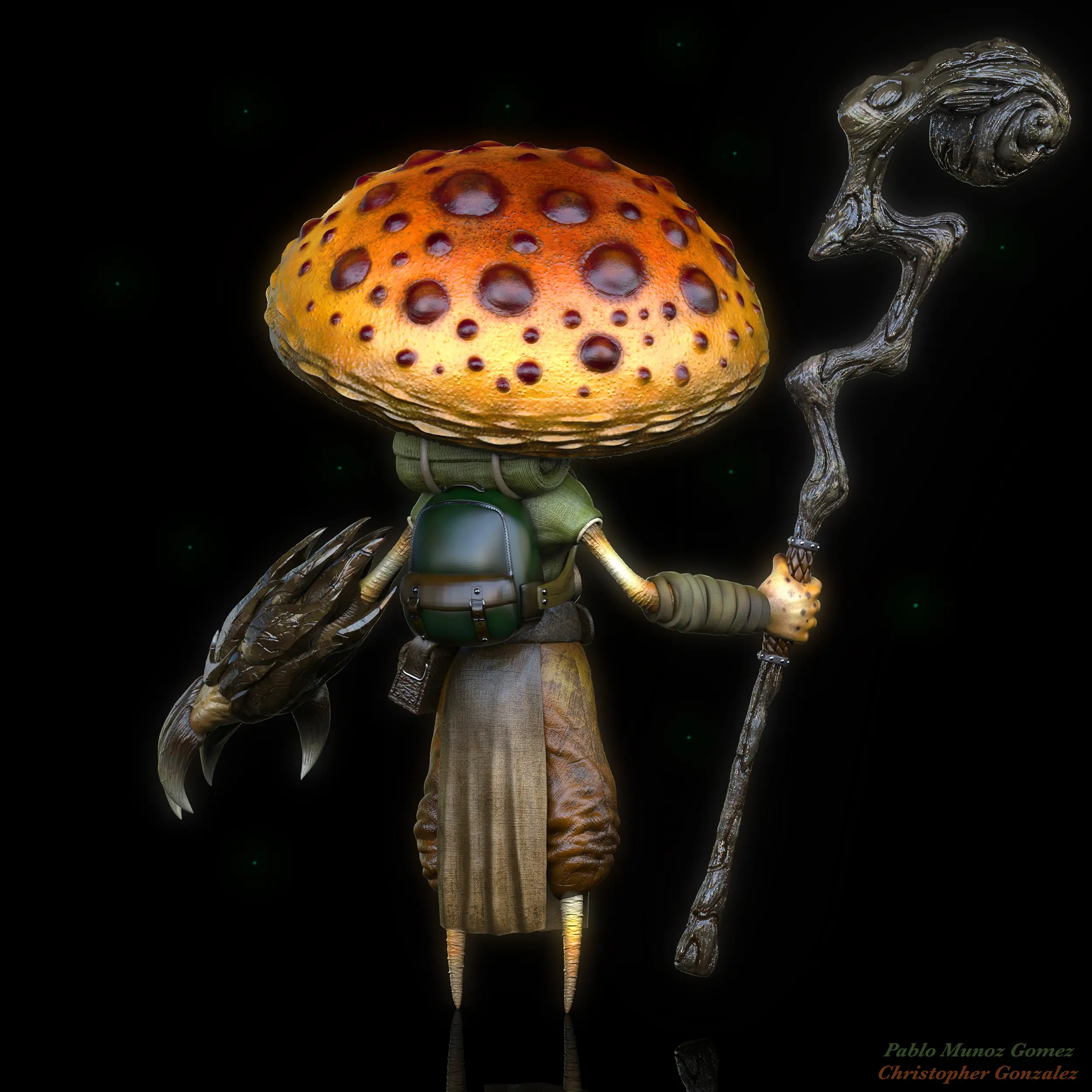
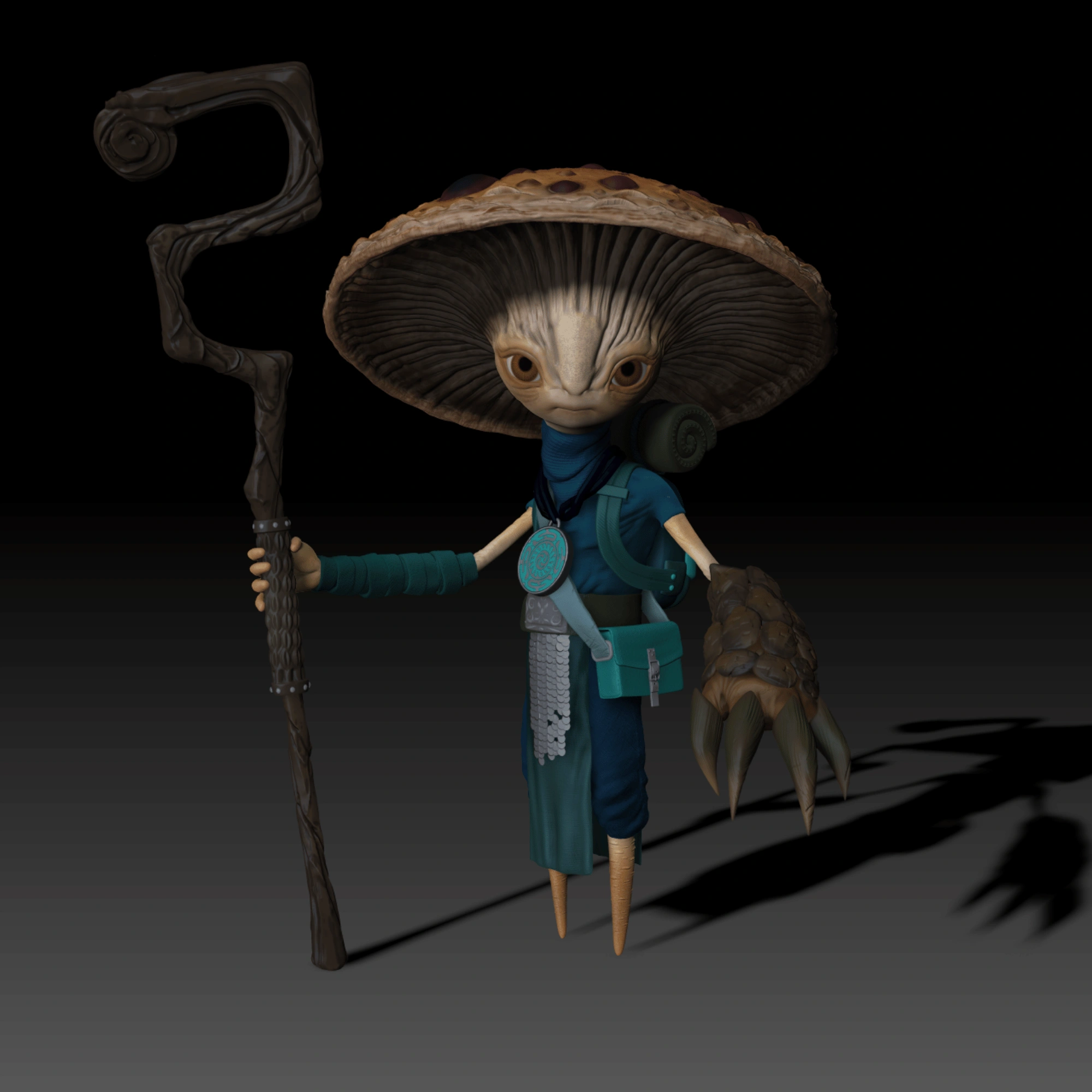
All of this started from zero
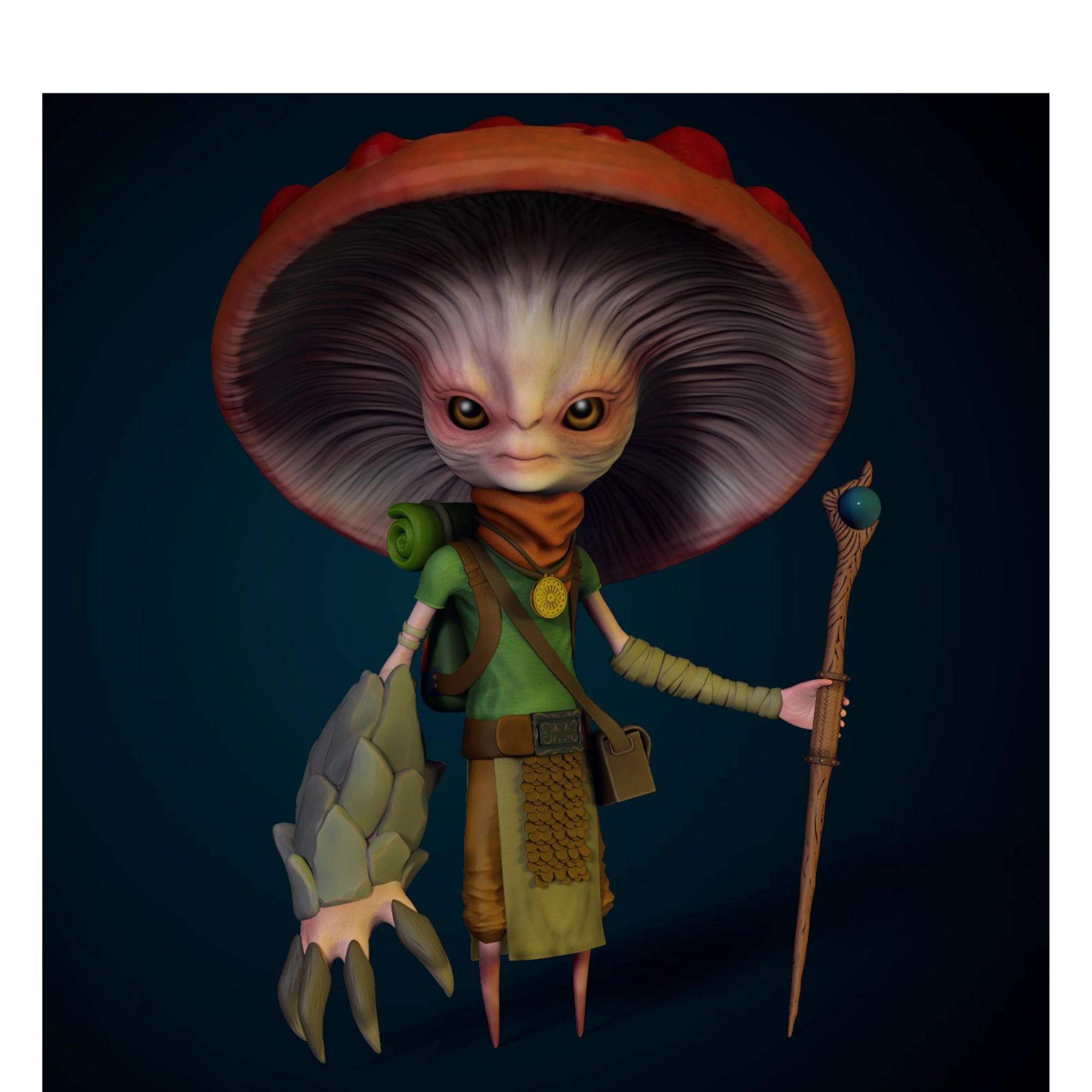
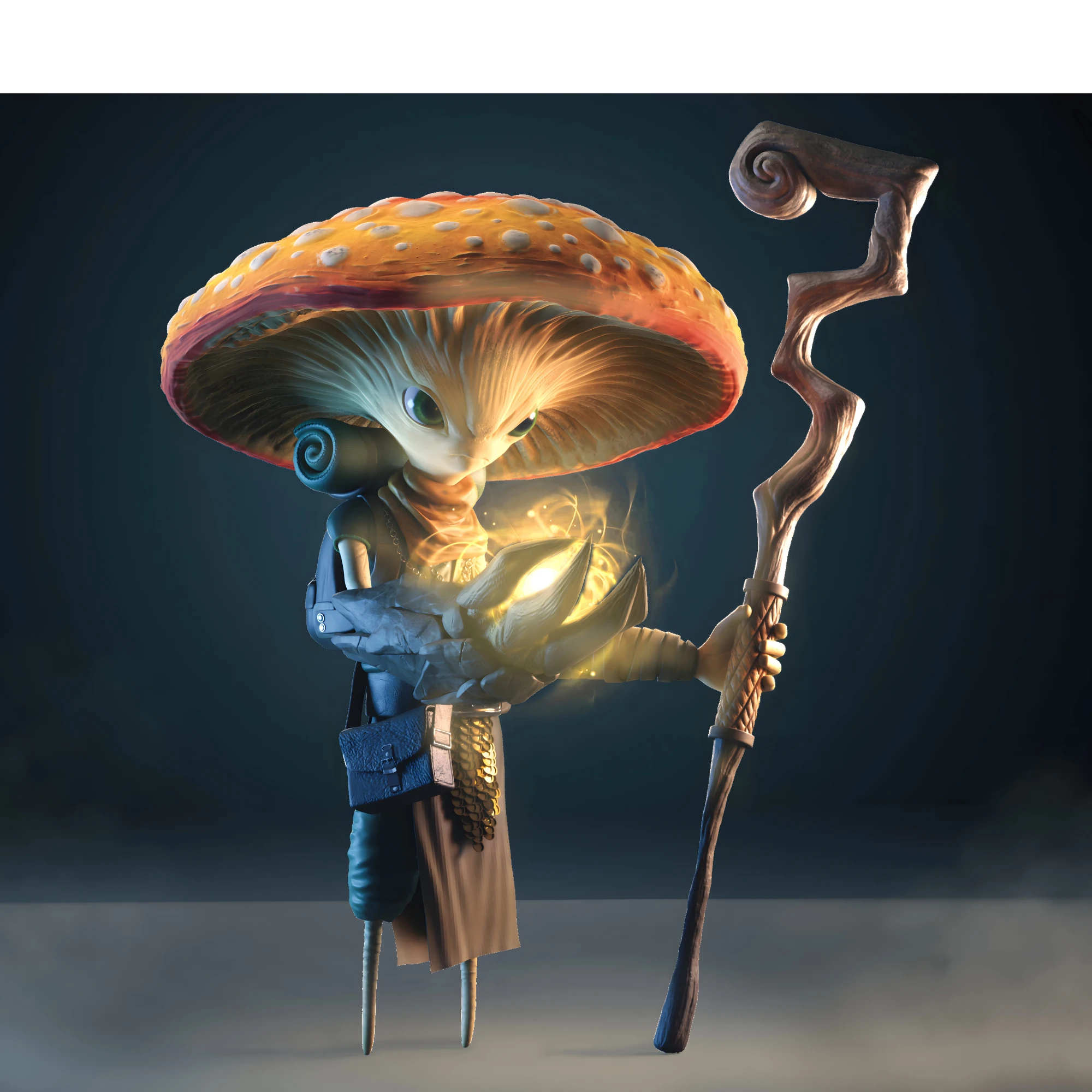
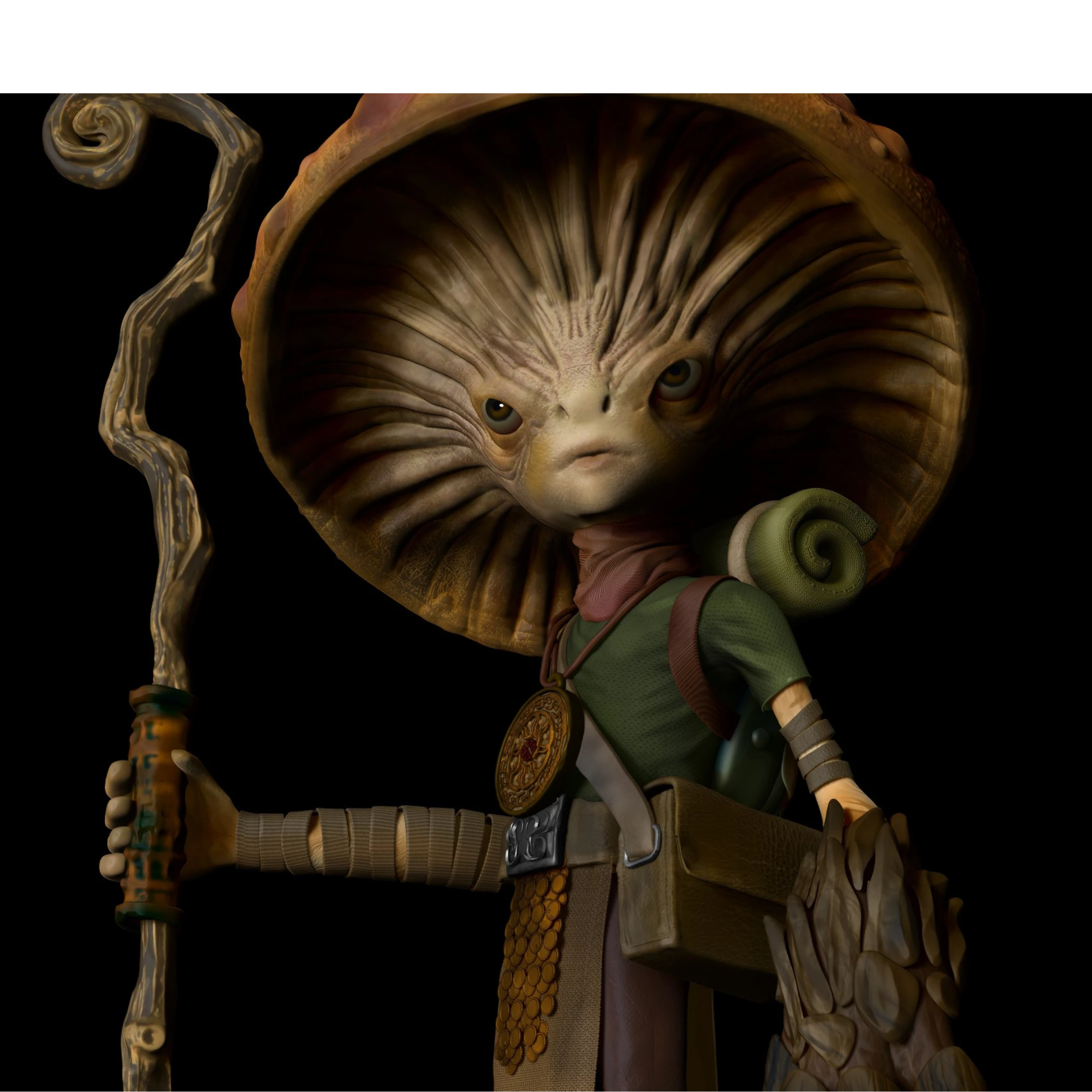
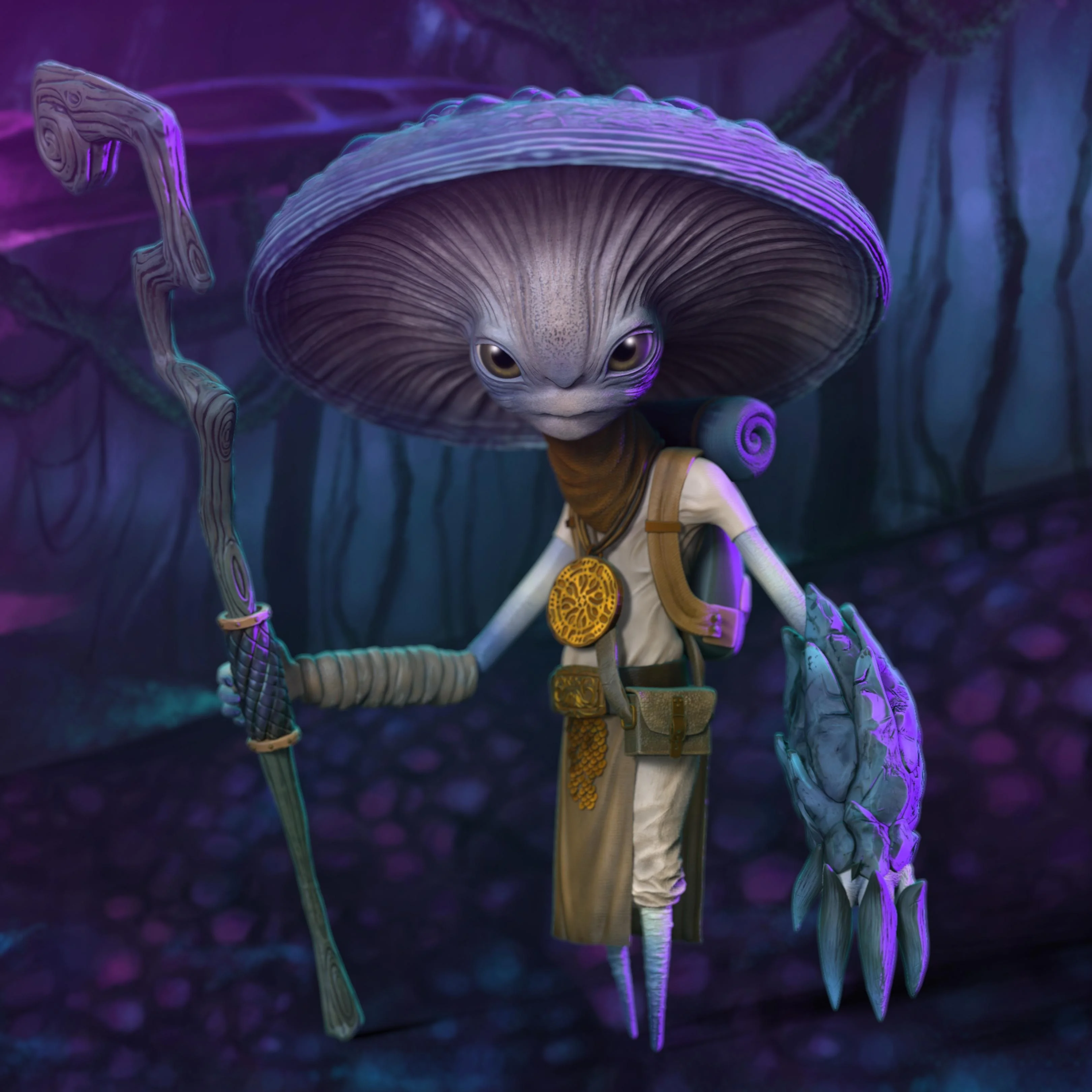
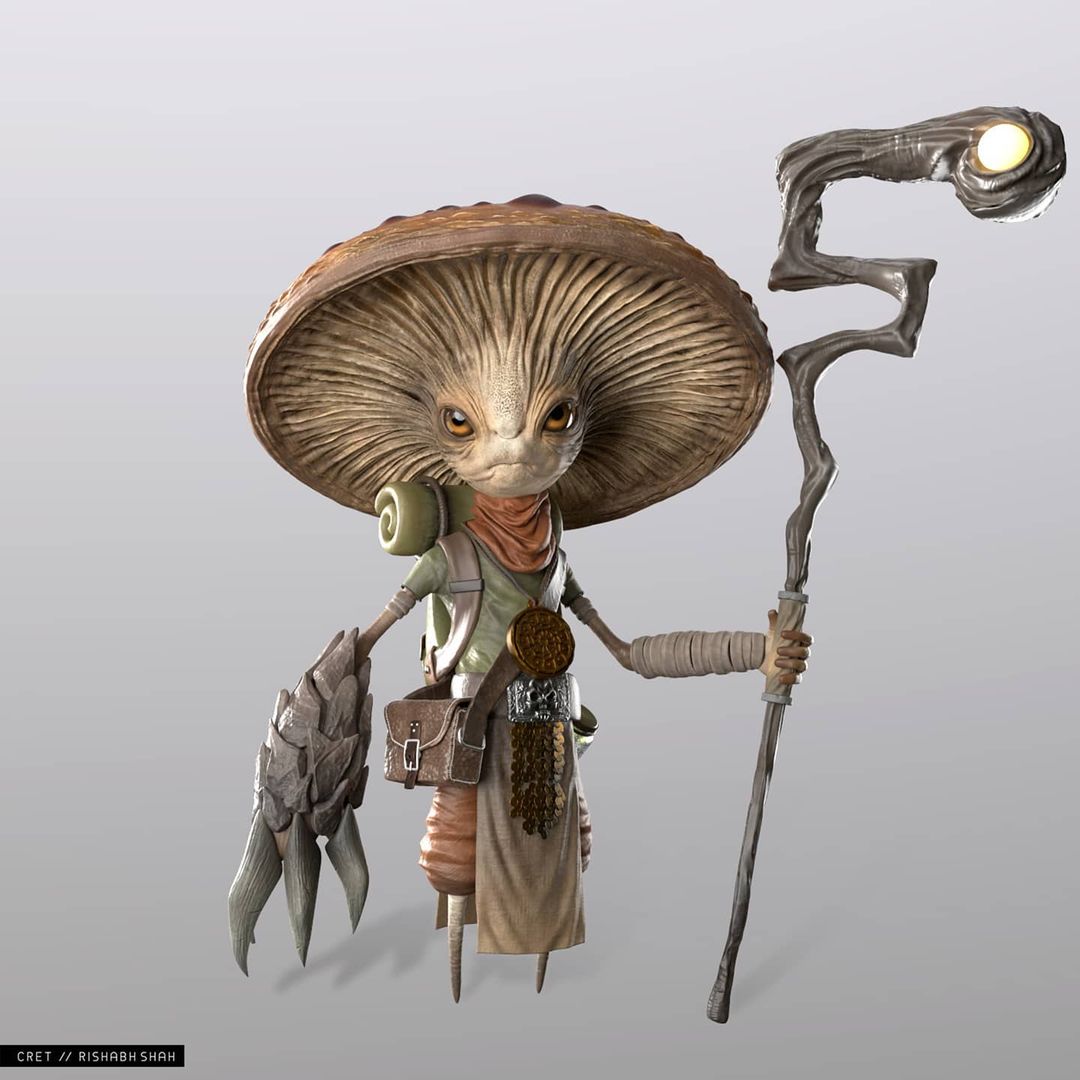
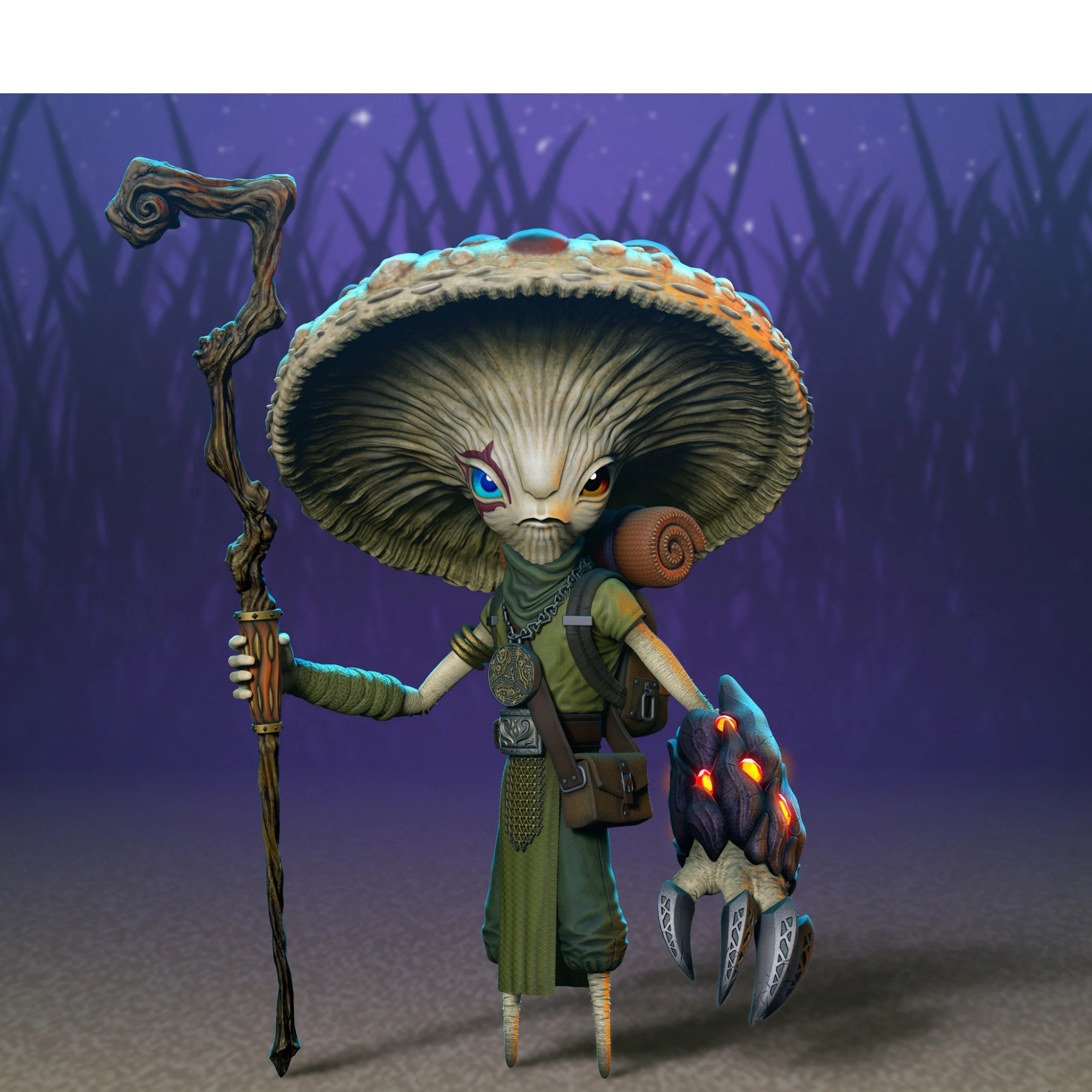
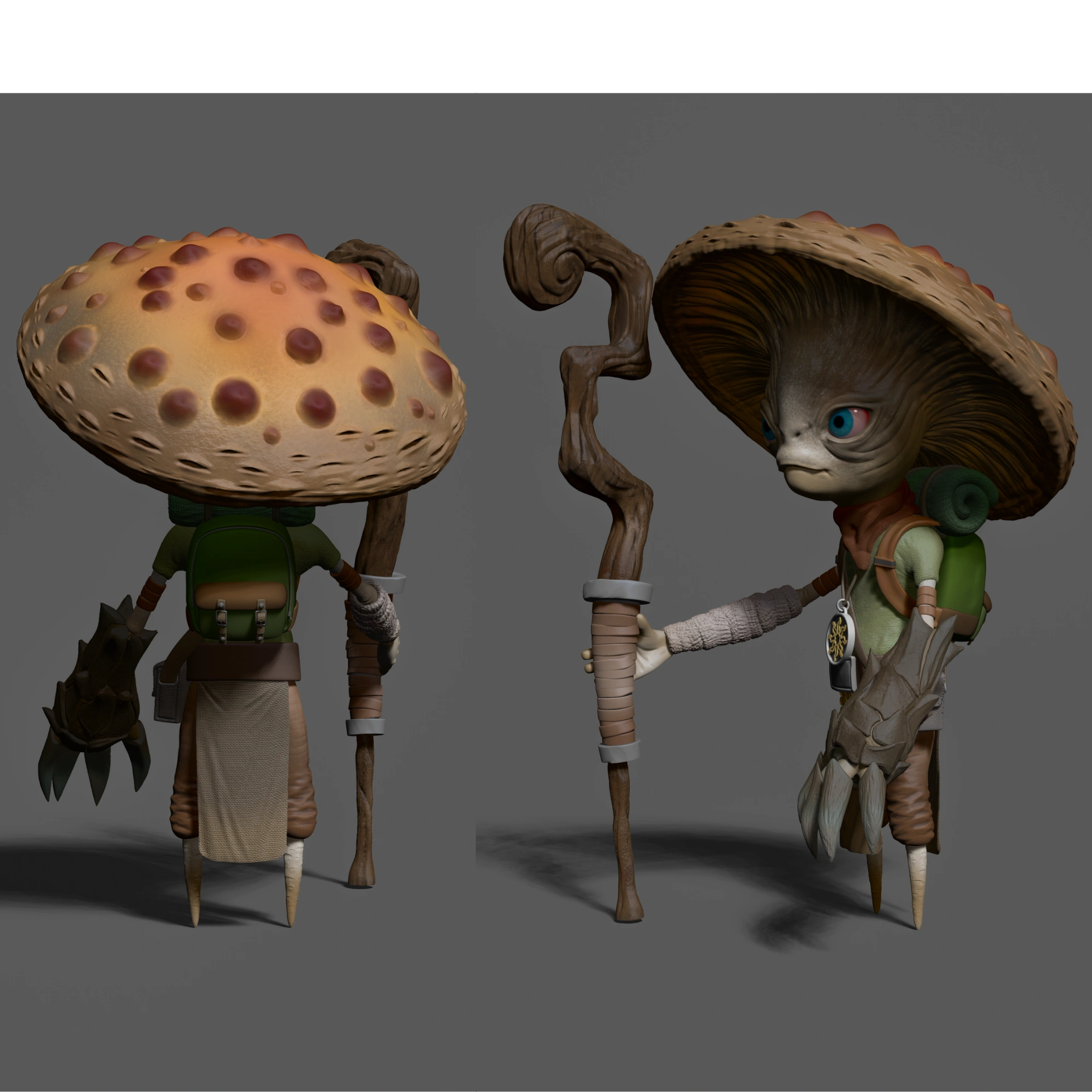
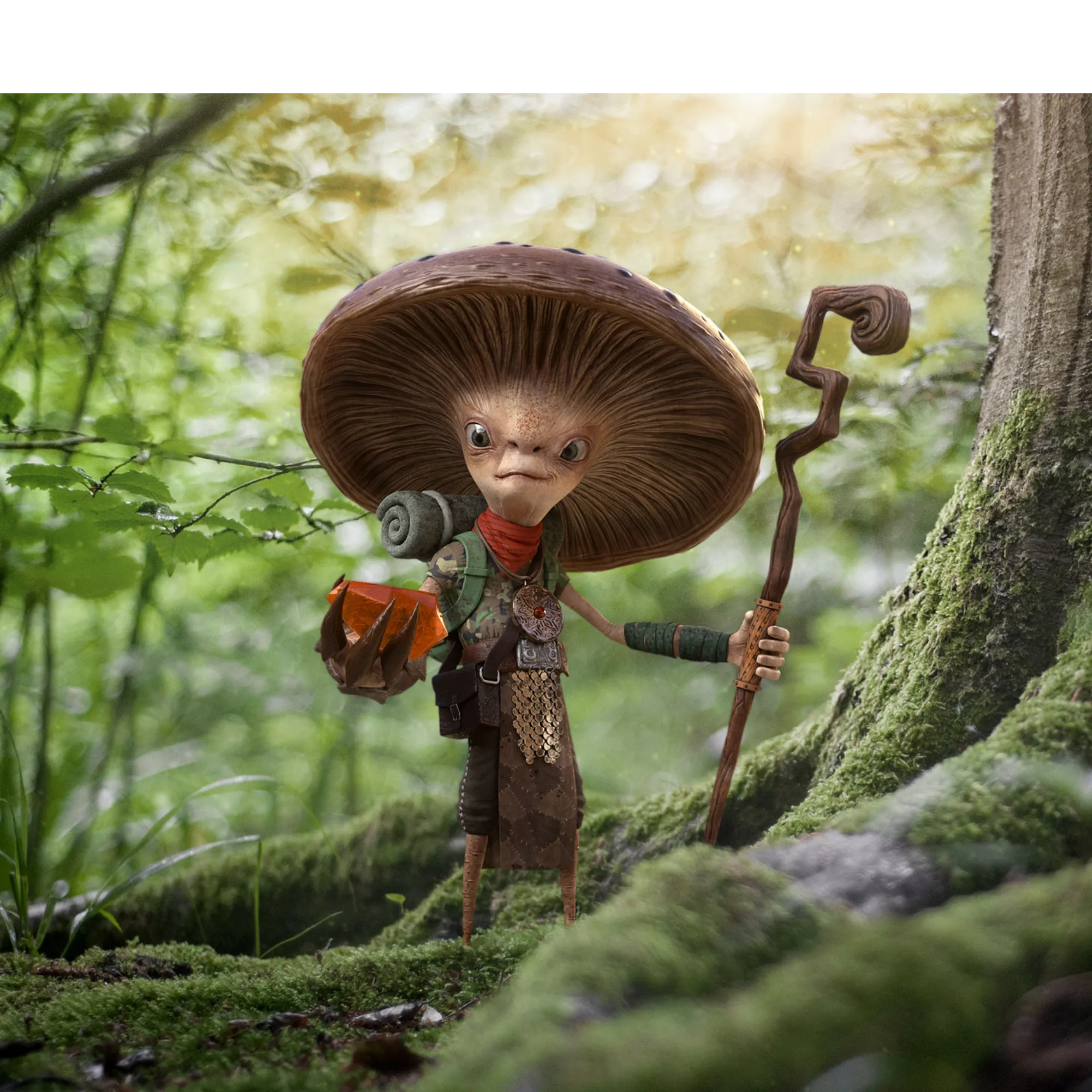
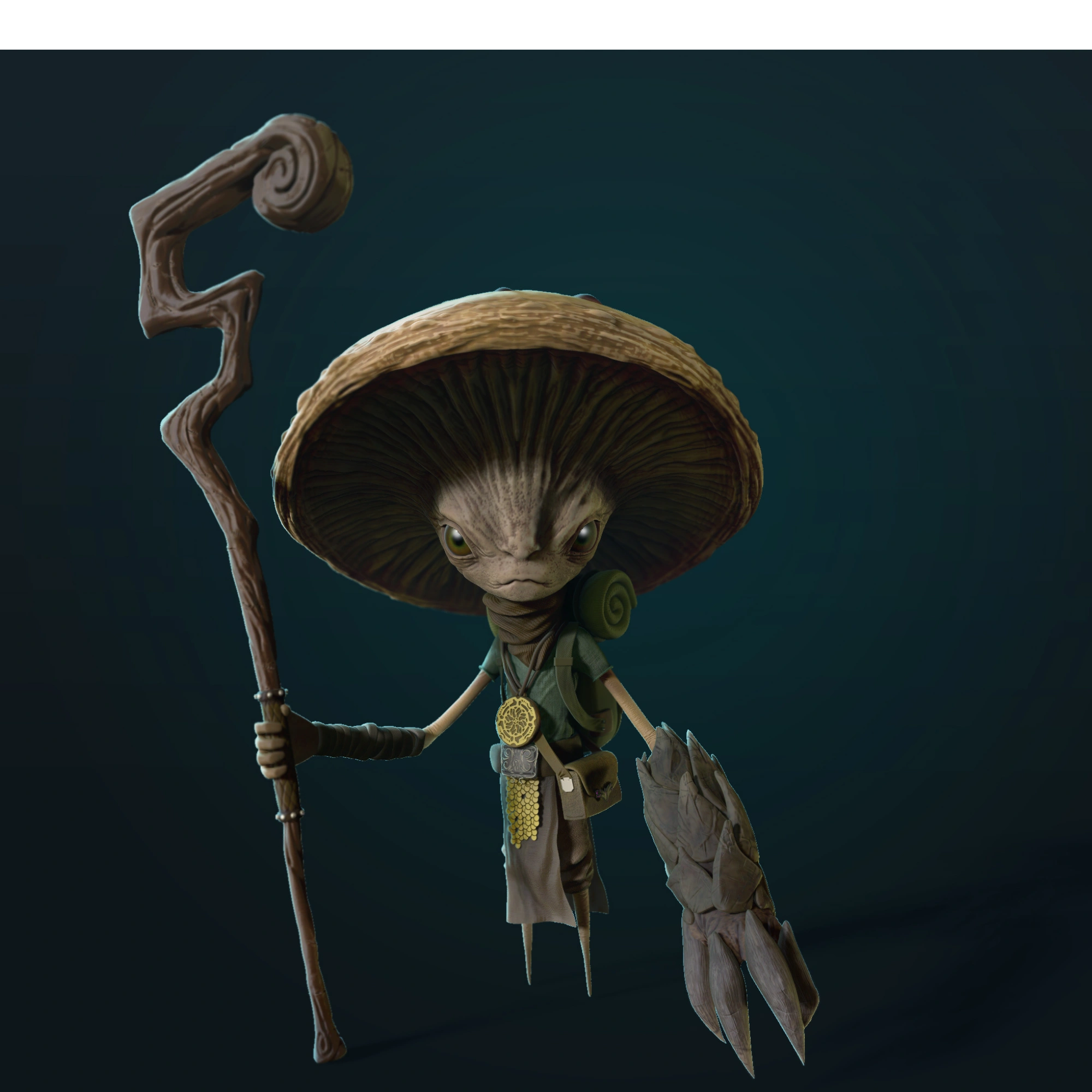
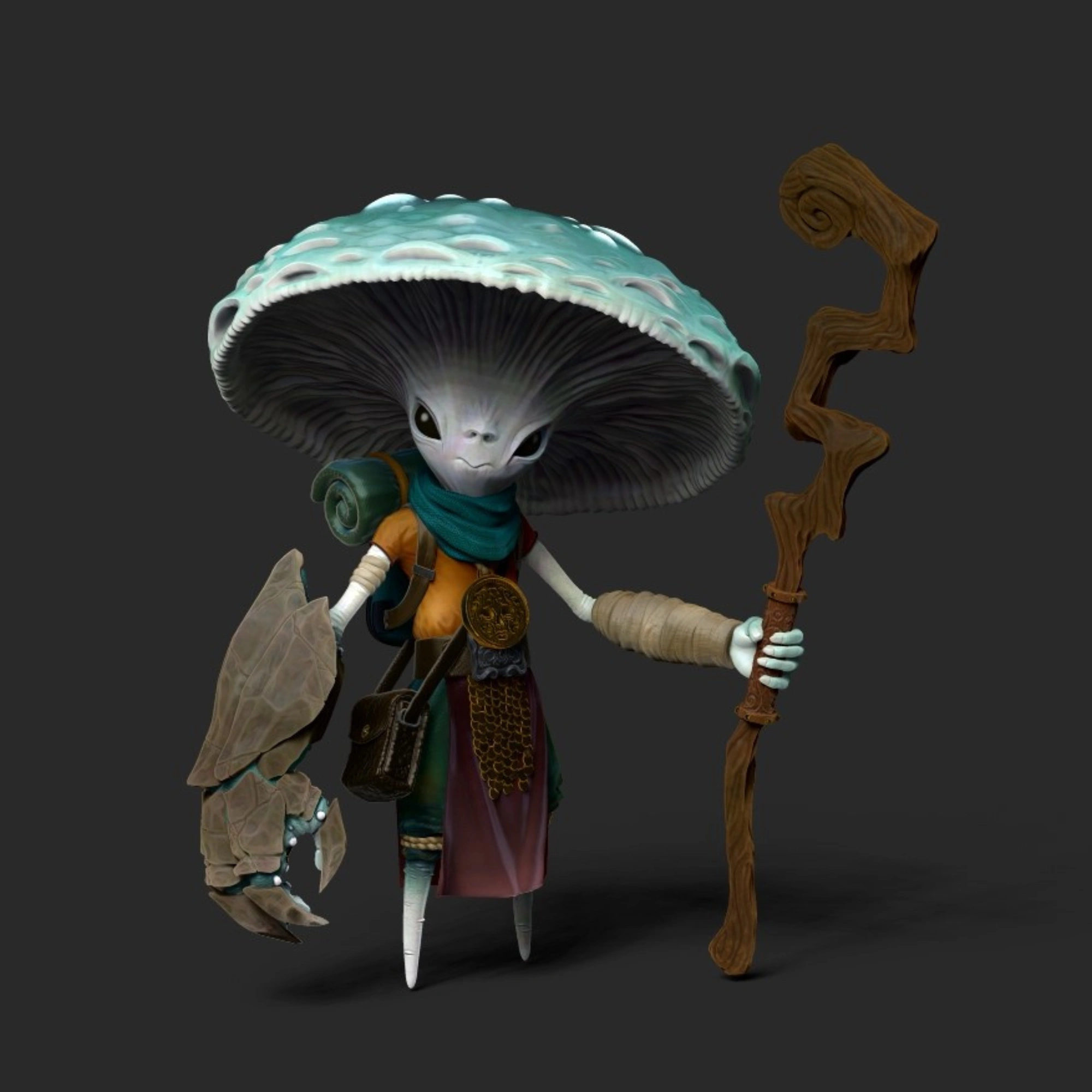
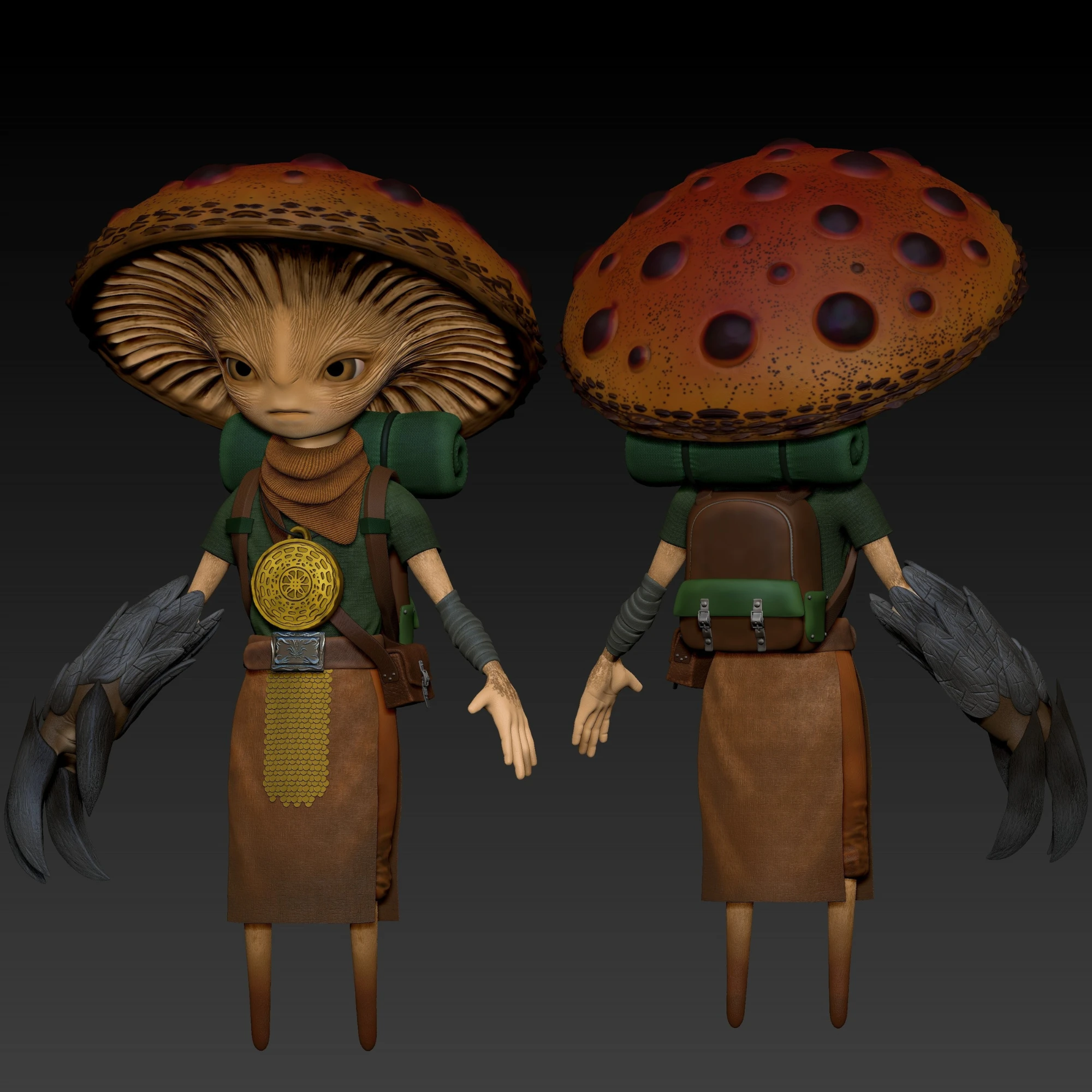
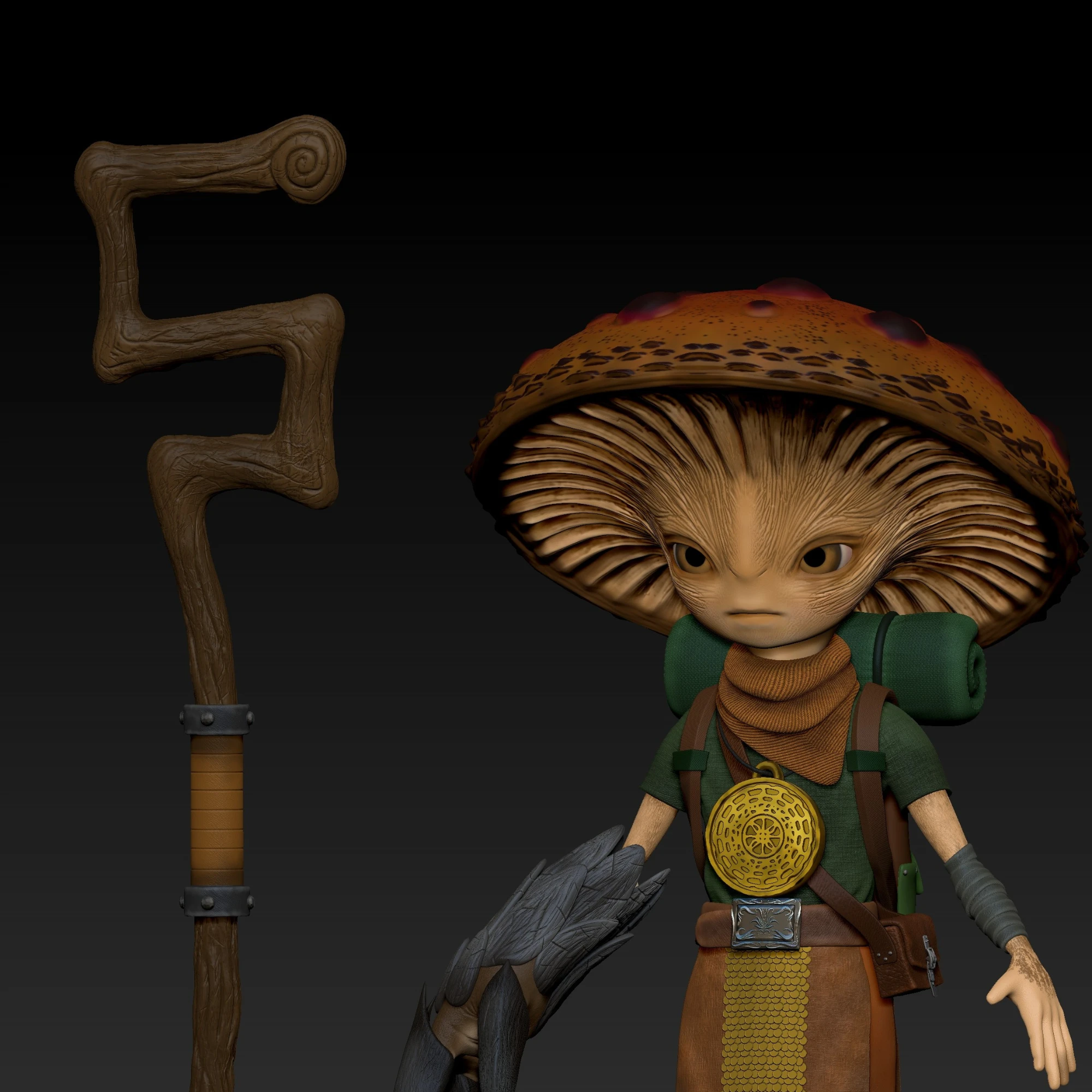
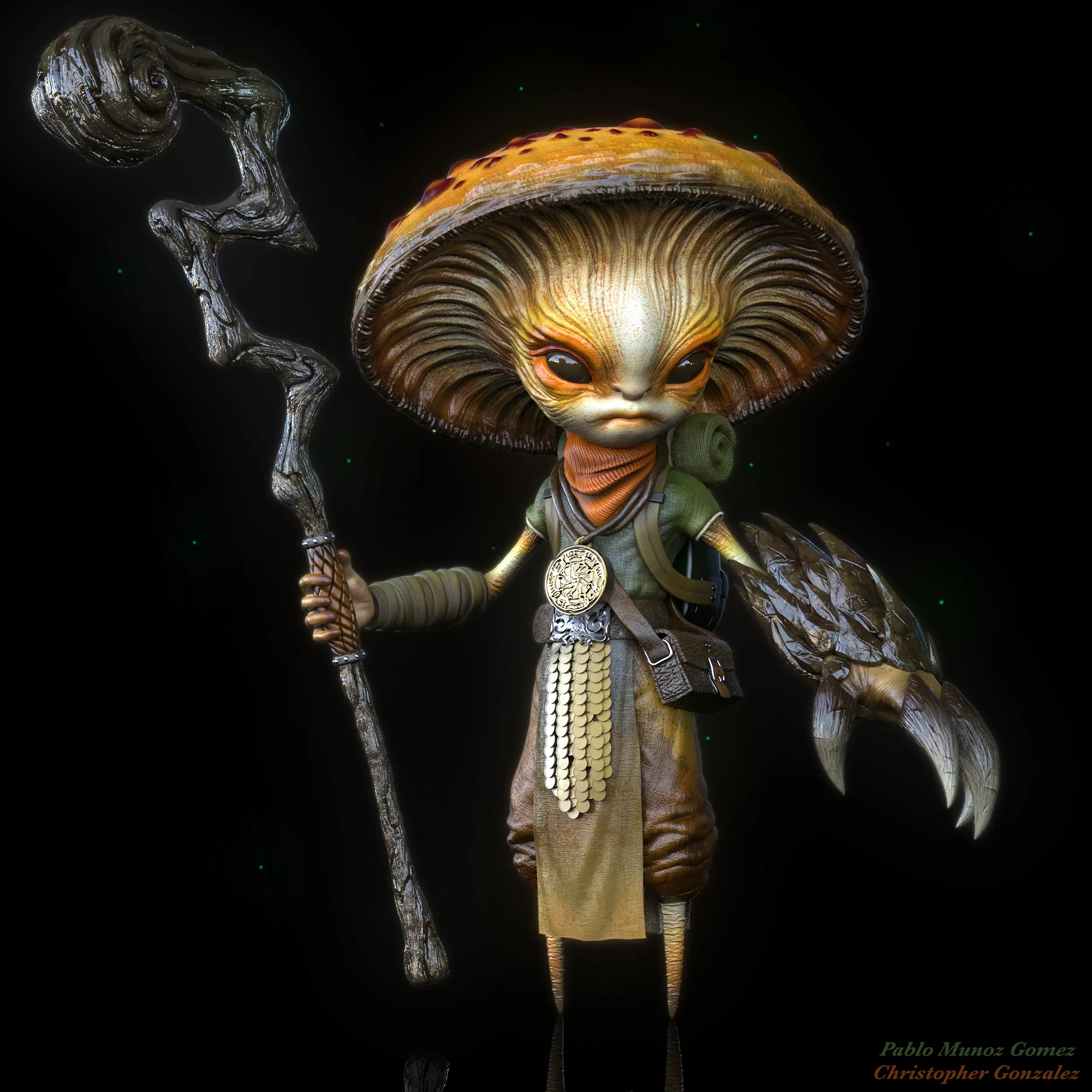
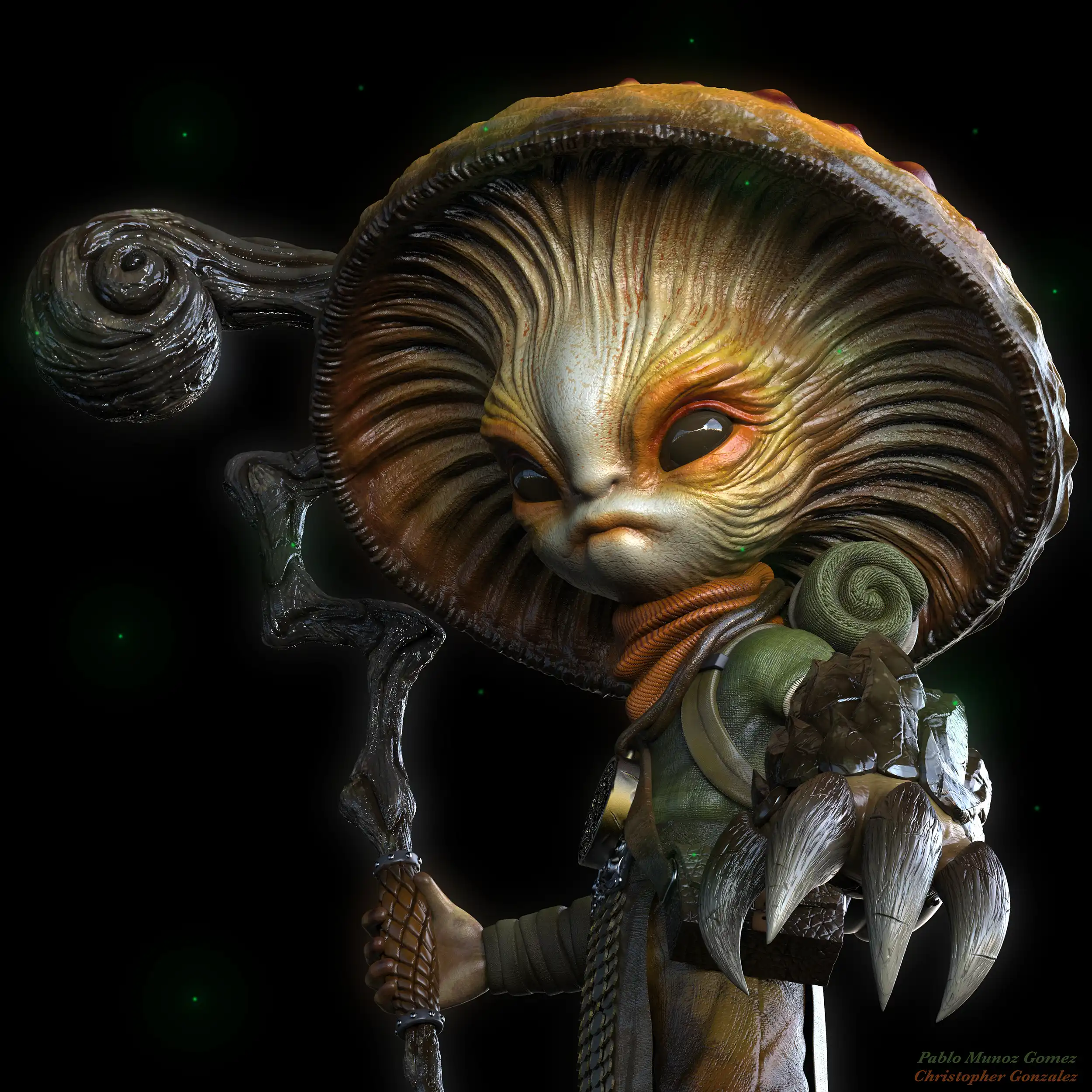
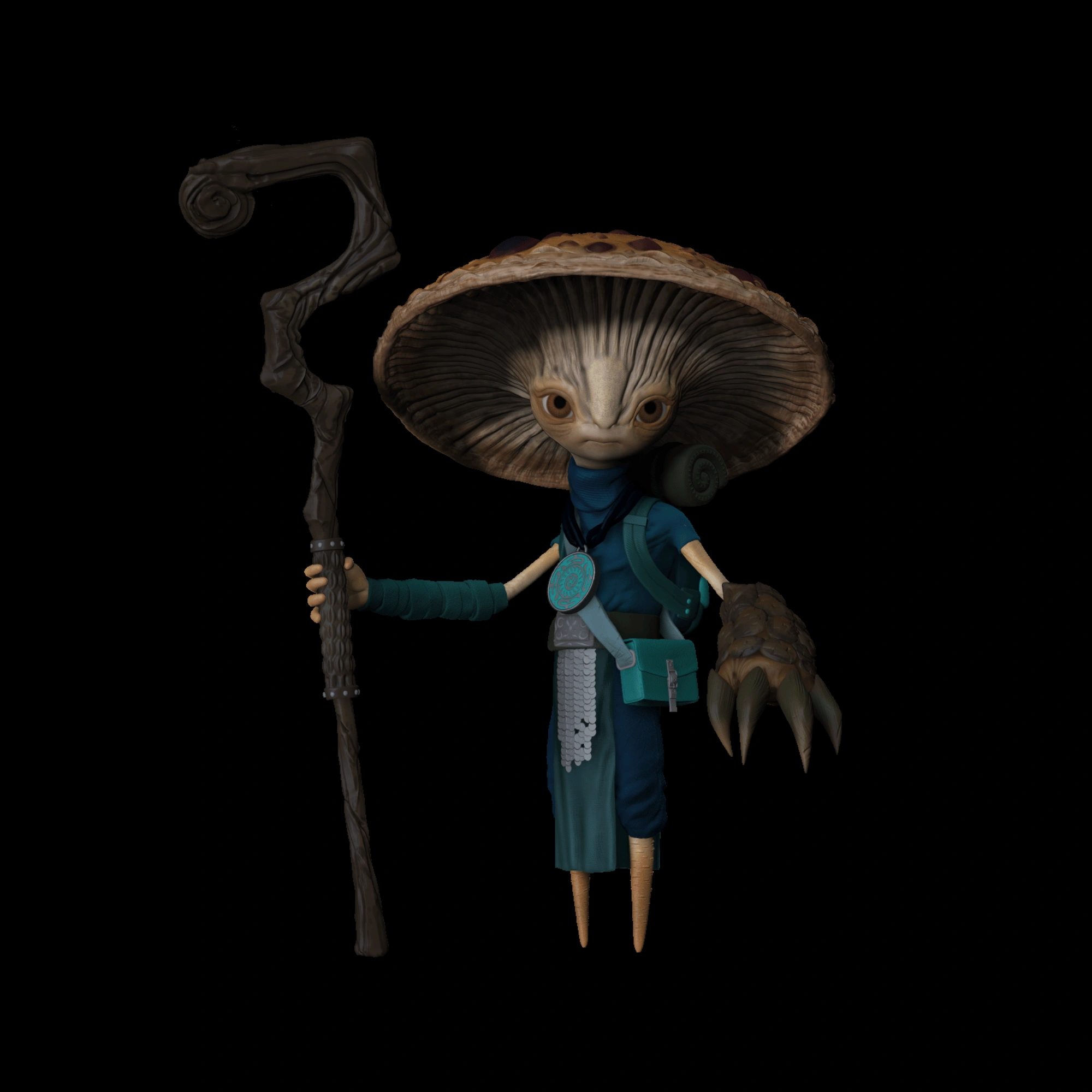
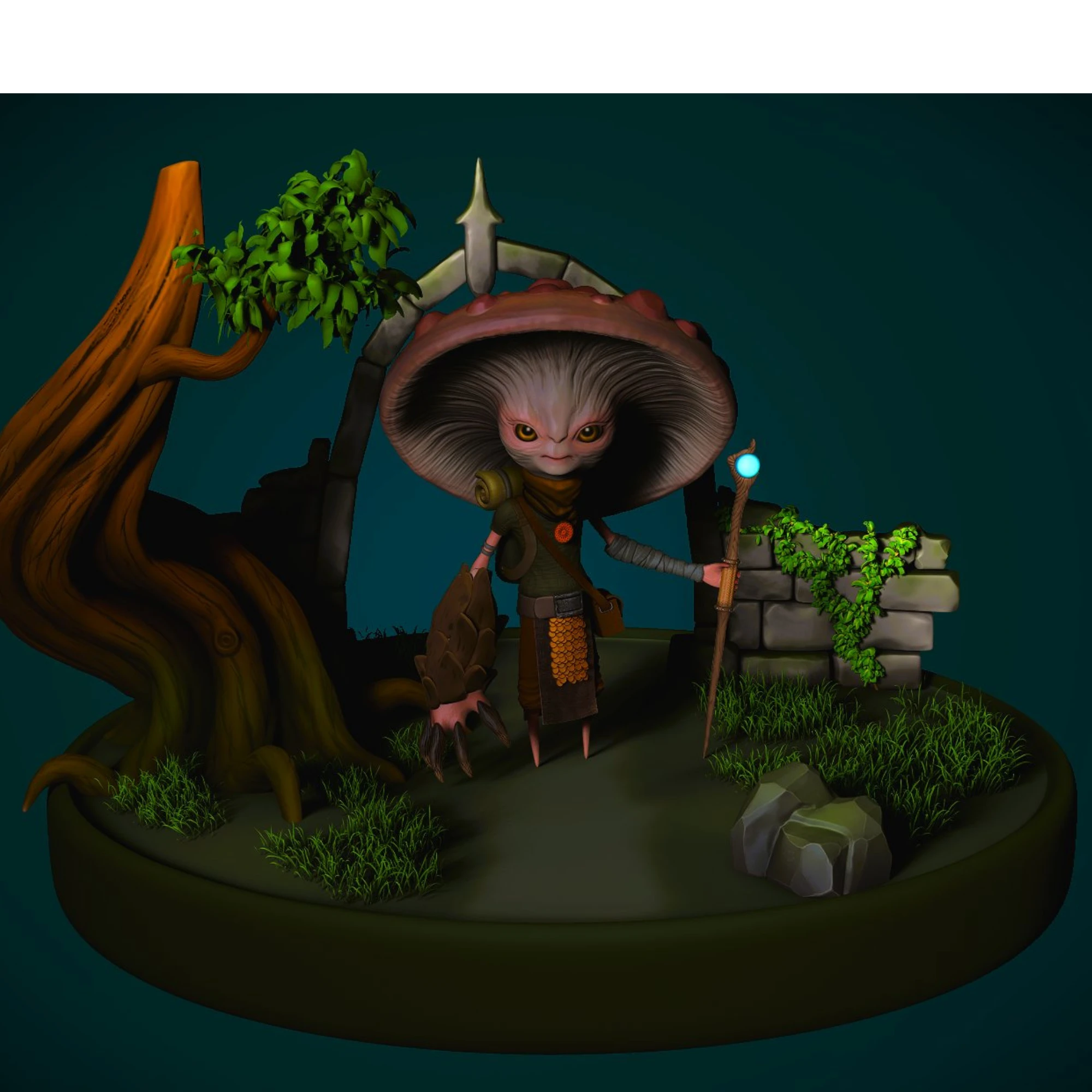
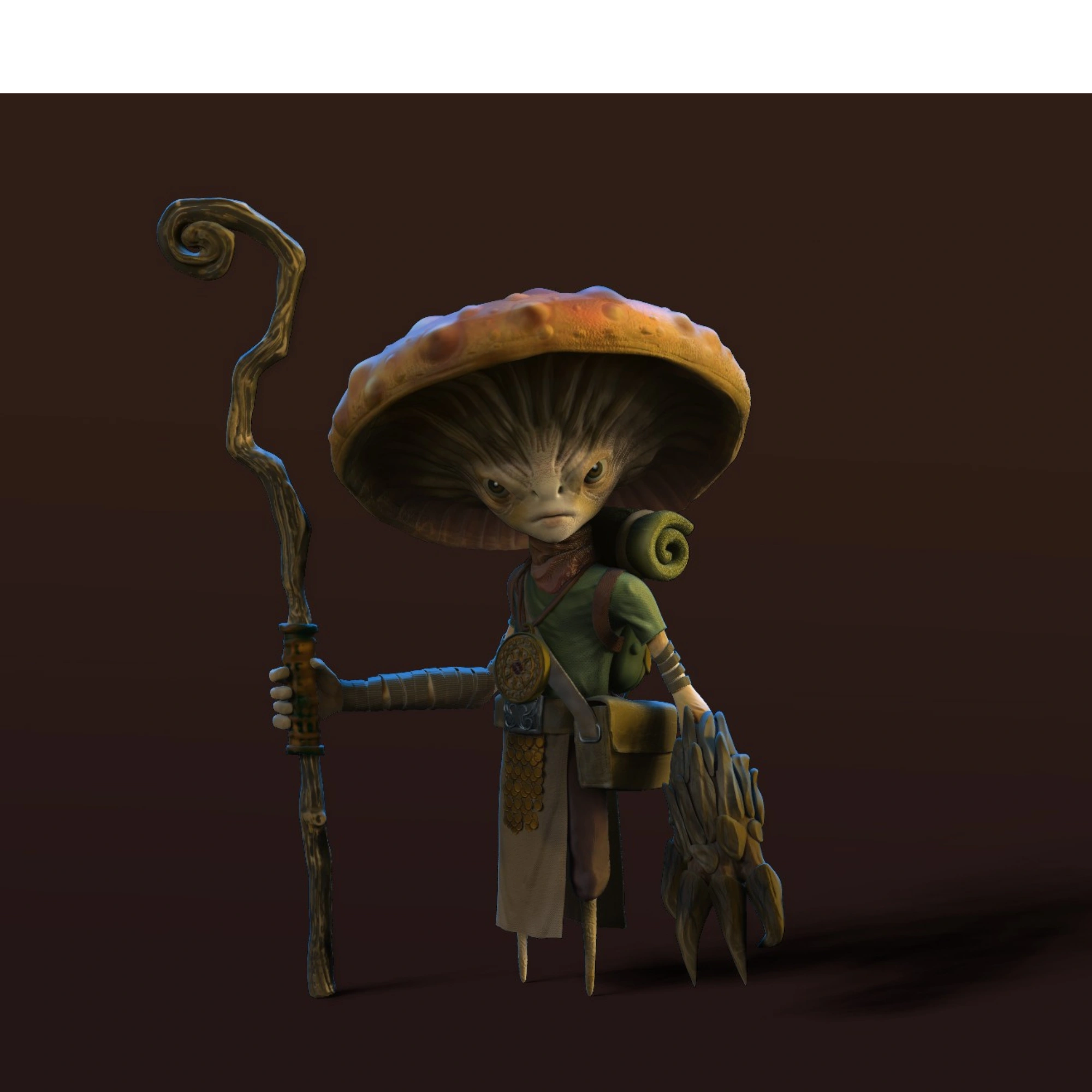
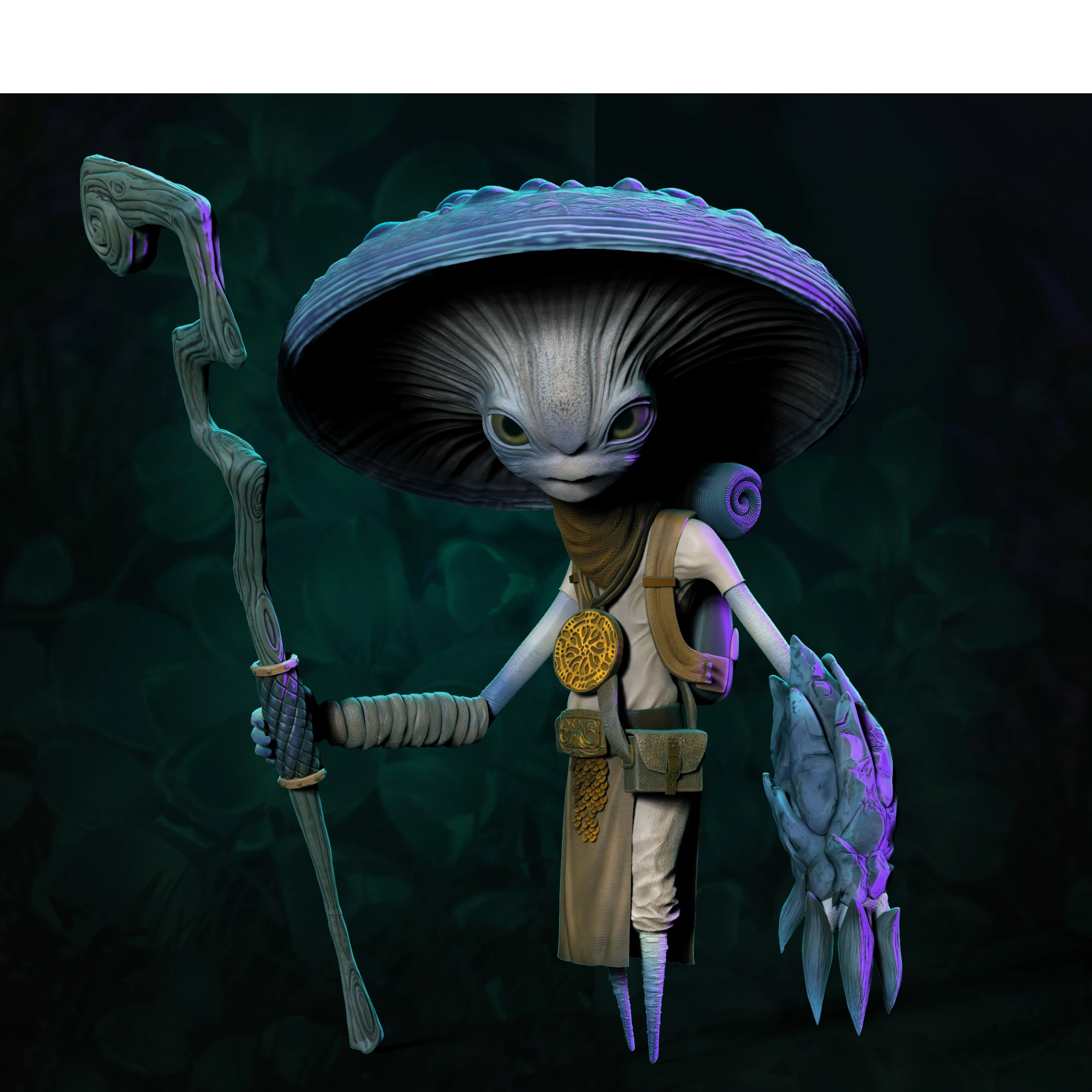
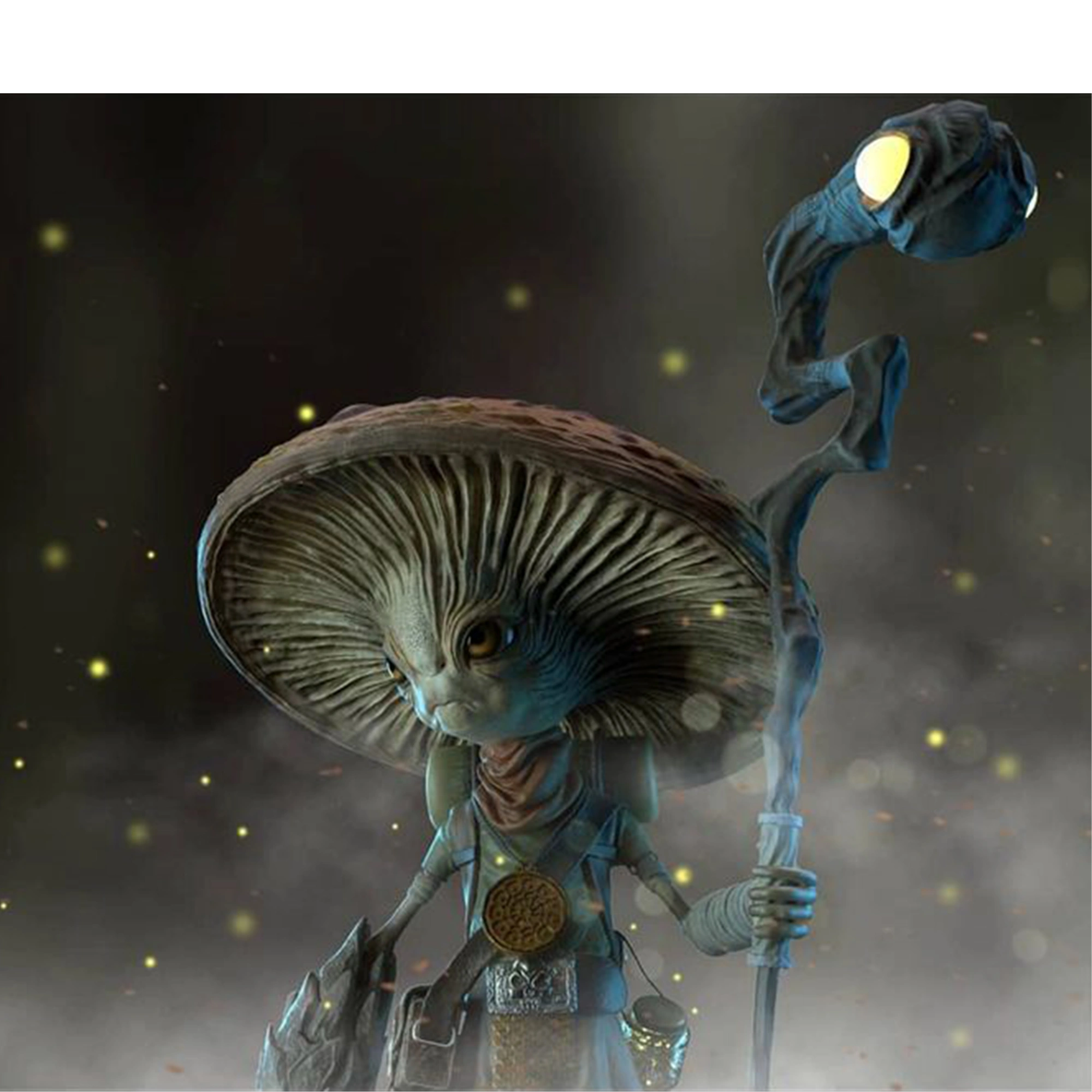
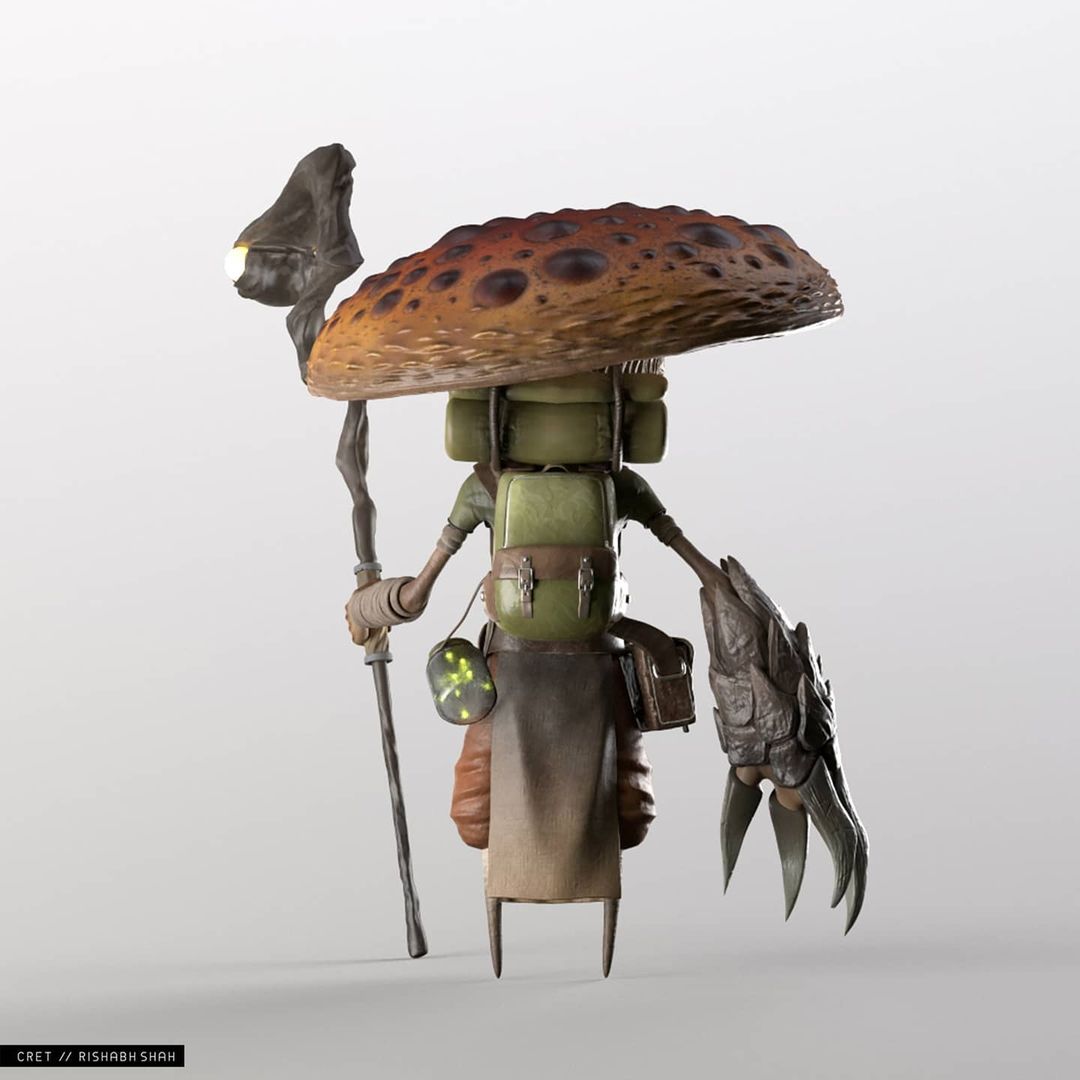
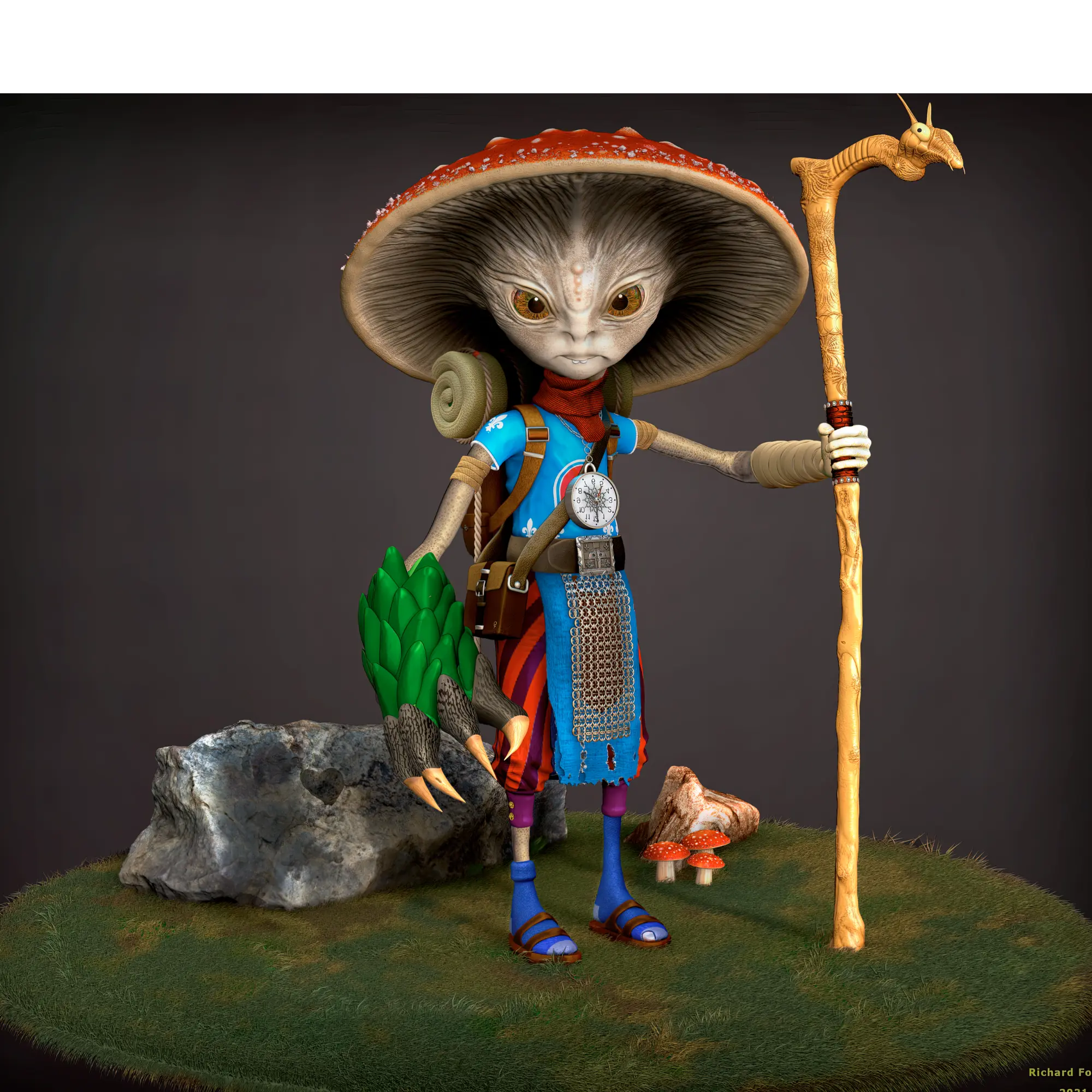
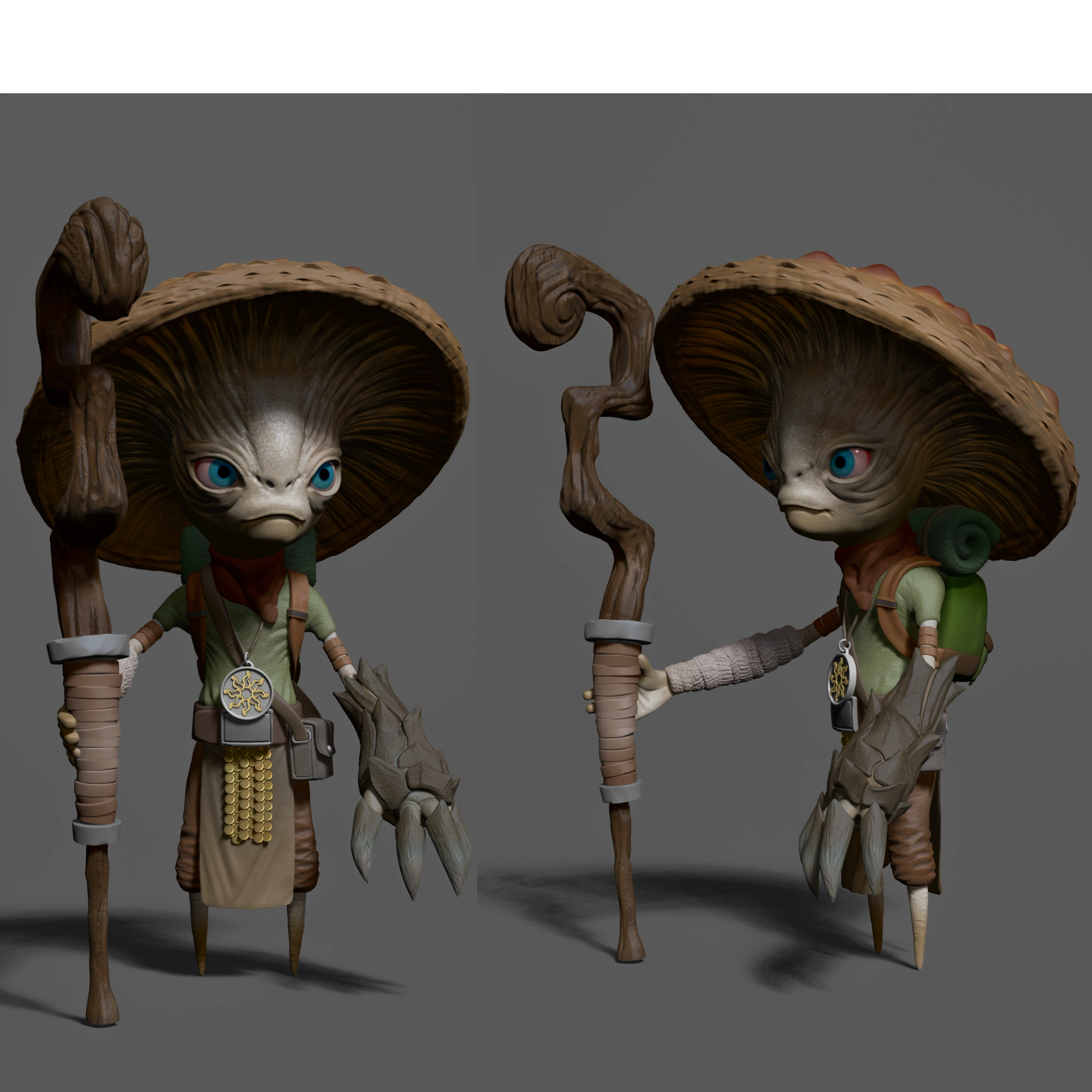
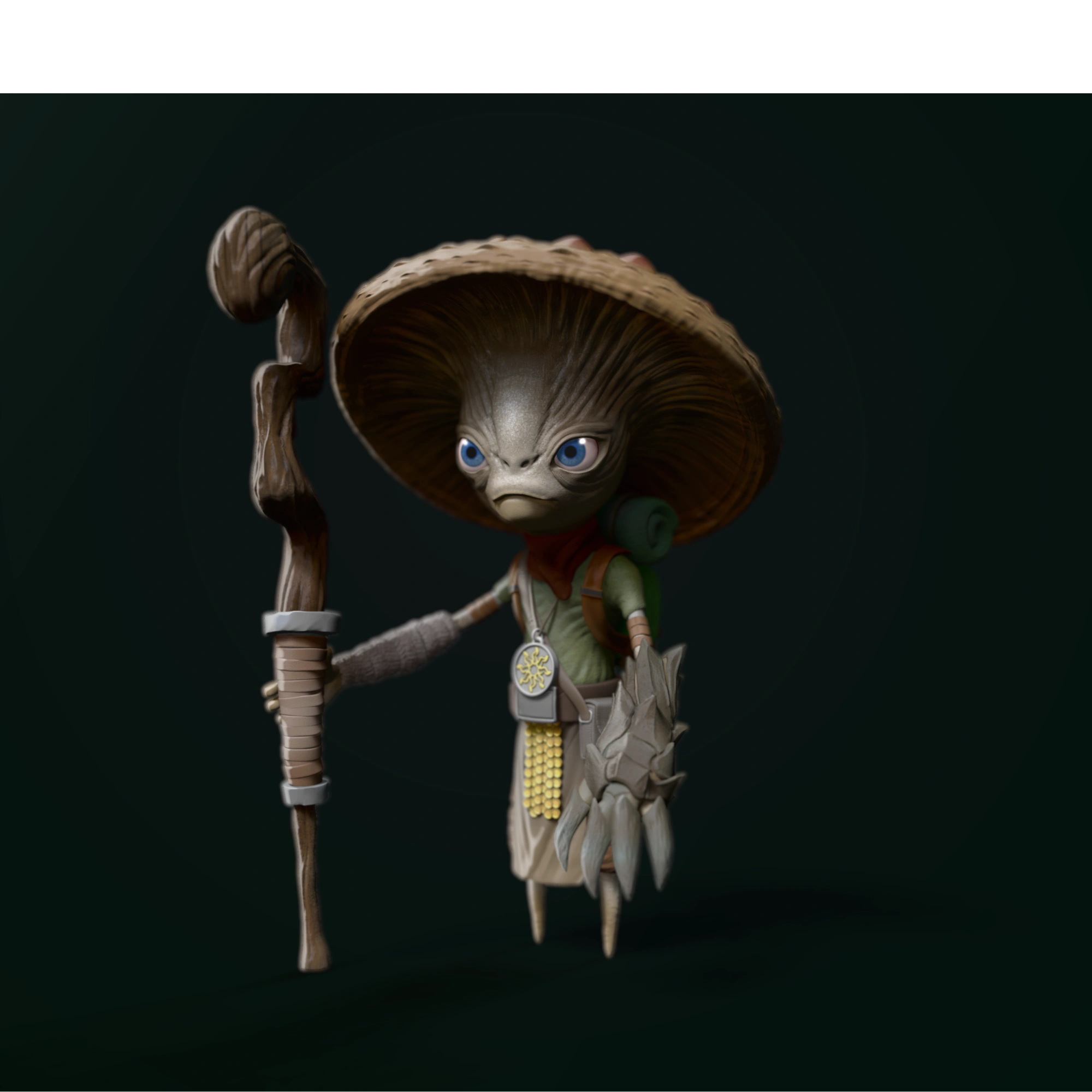
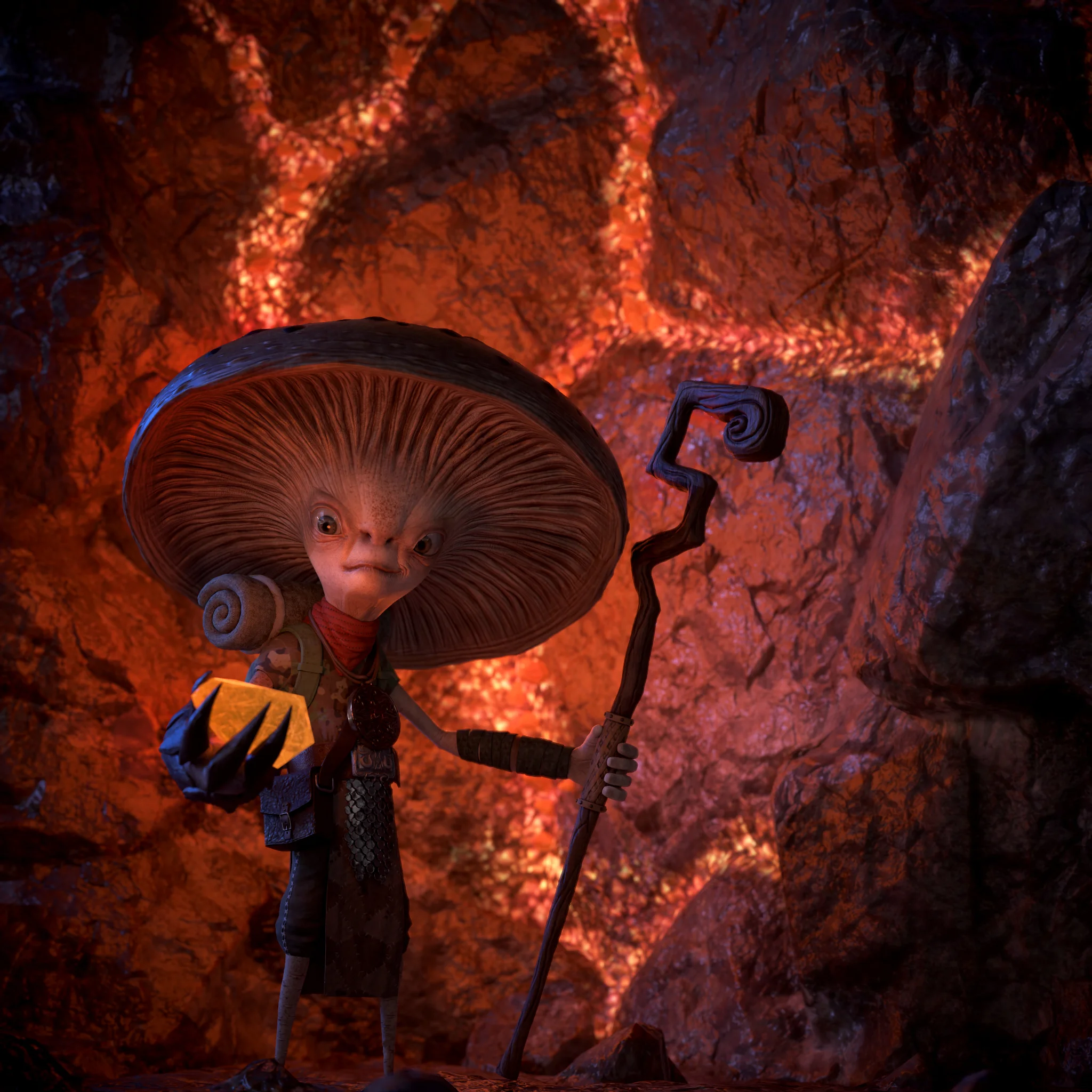
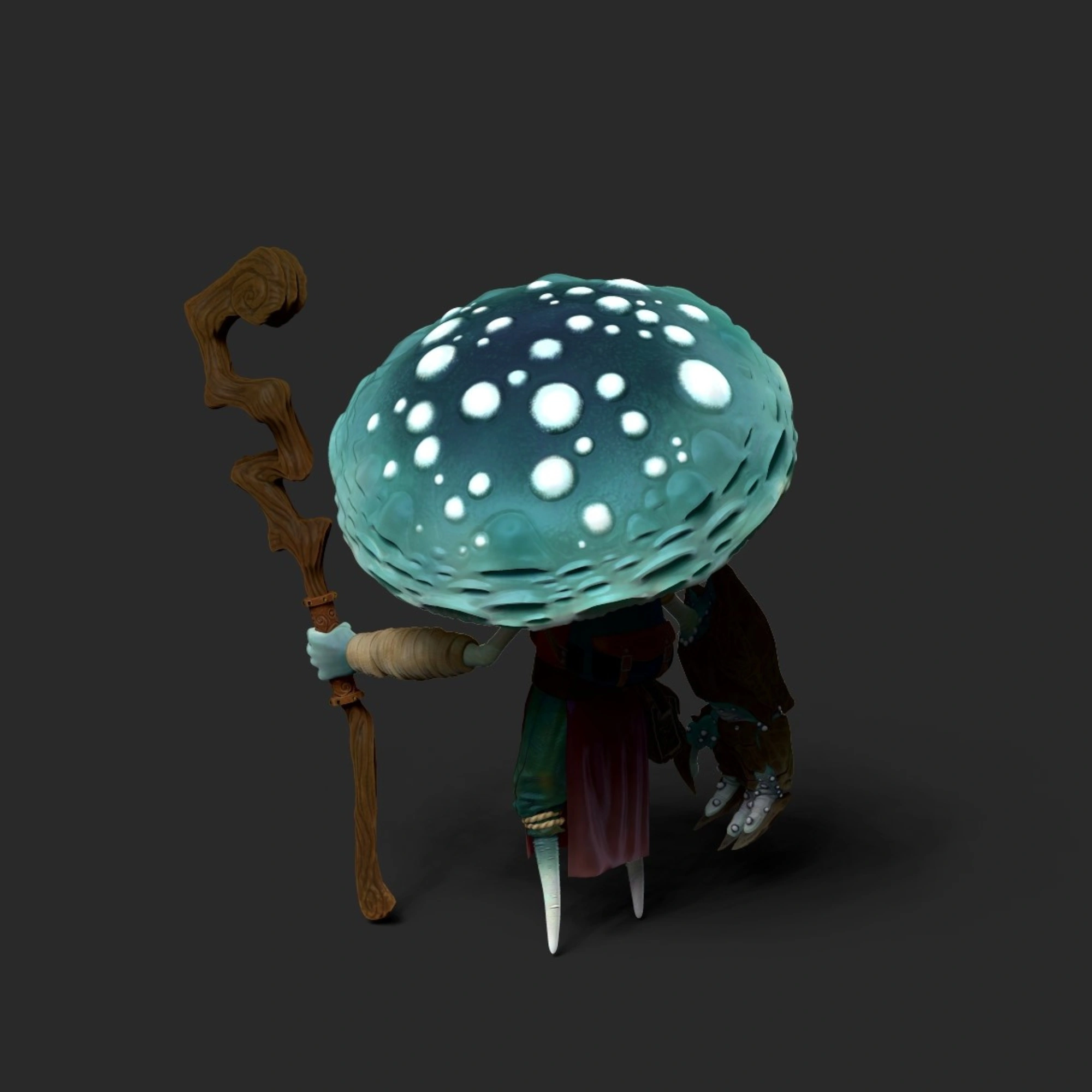
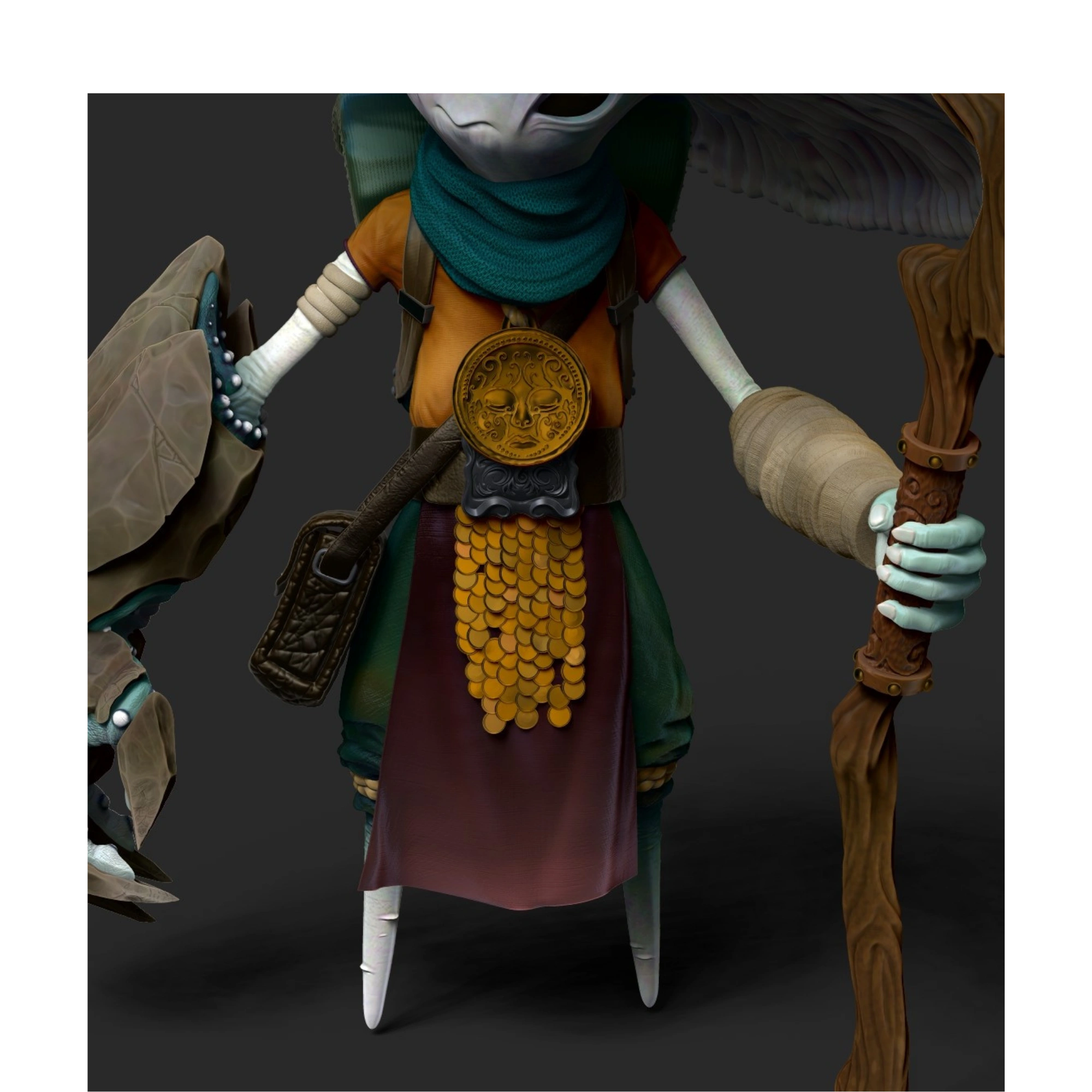
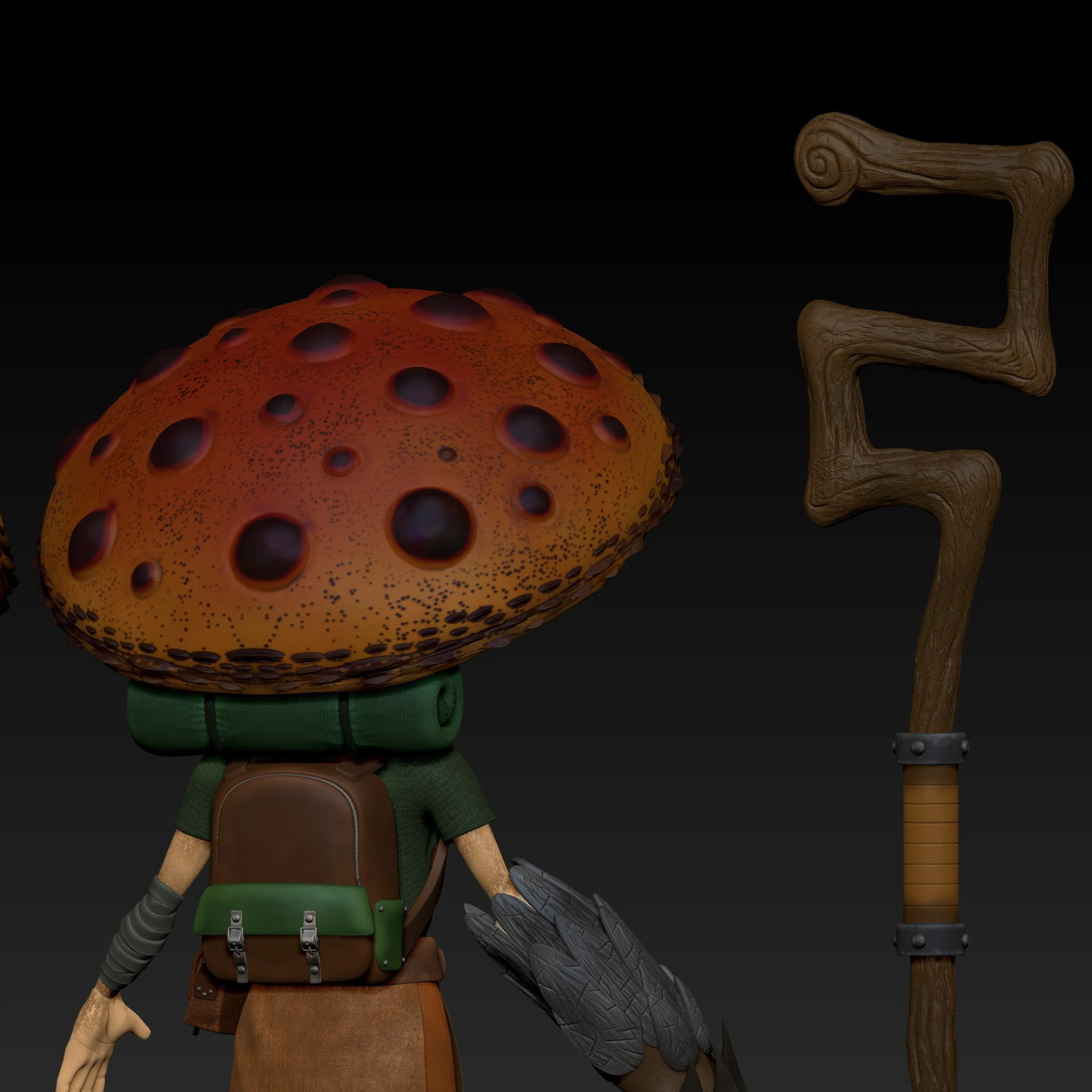
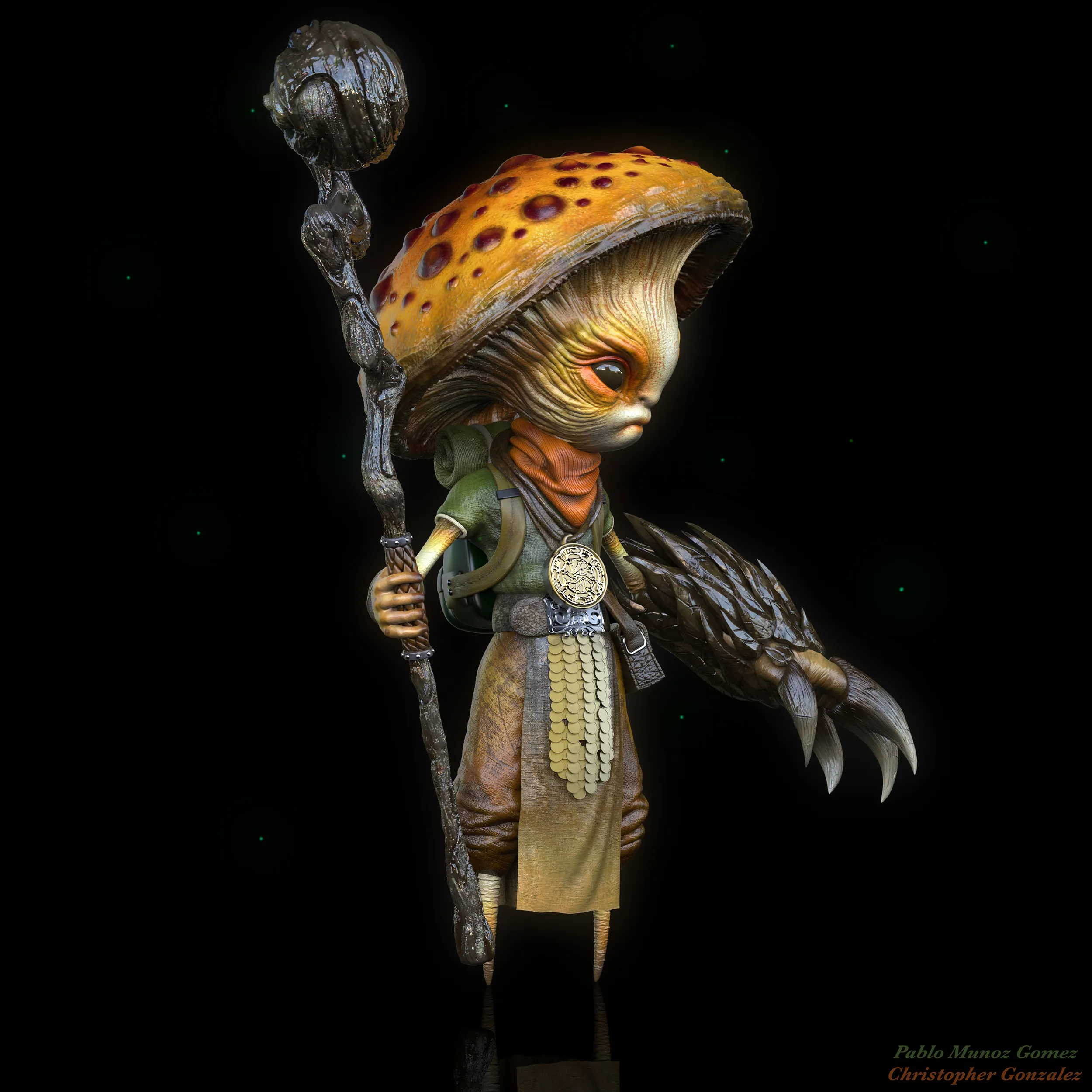
Many of these artists opened ZBrush for the first time in Module 01. Same project, followed all the way to a finished render.

Is this for me?
No experience needed
If you've never opened ZBrush, or you've opened it a few times and backed out, this is built for you. Same if you're coming from 2D, or from another 3D program, and ZBrush is the one that hasn't clicked. No sculpting experience is assumed, and between the course and the private community you've got the structure and the help to get through it.
But it's not a 'magic potion'... you still have to put in the time and work to see the results. Trust the process, practice the workflows, and the system holds up.

What Students Say
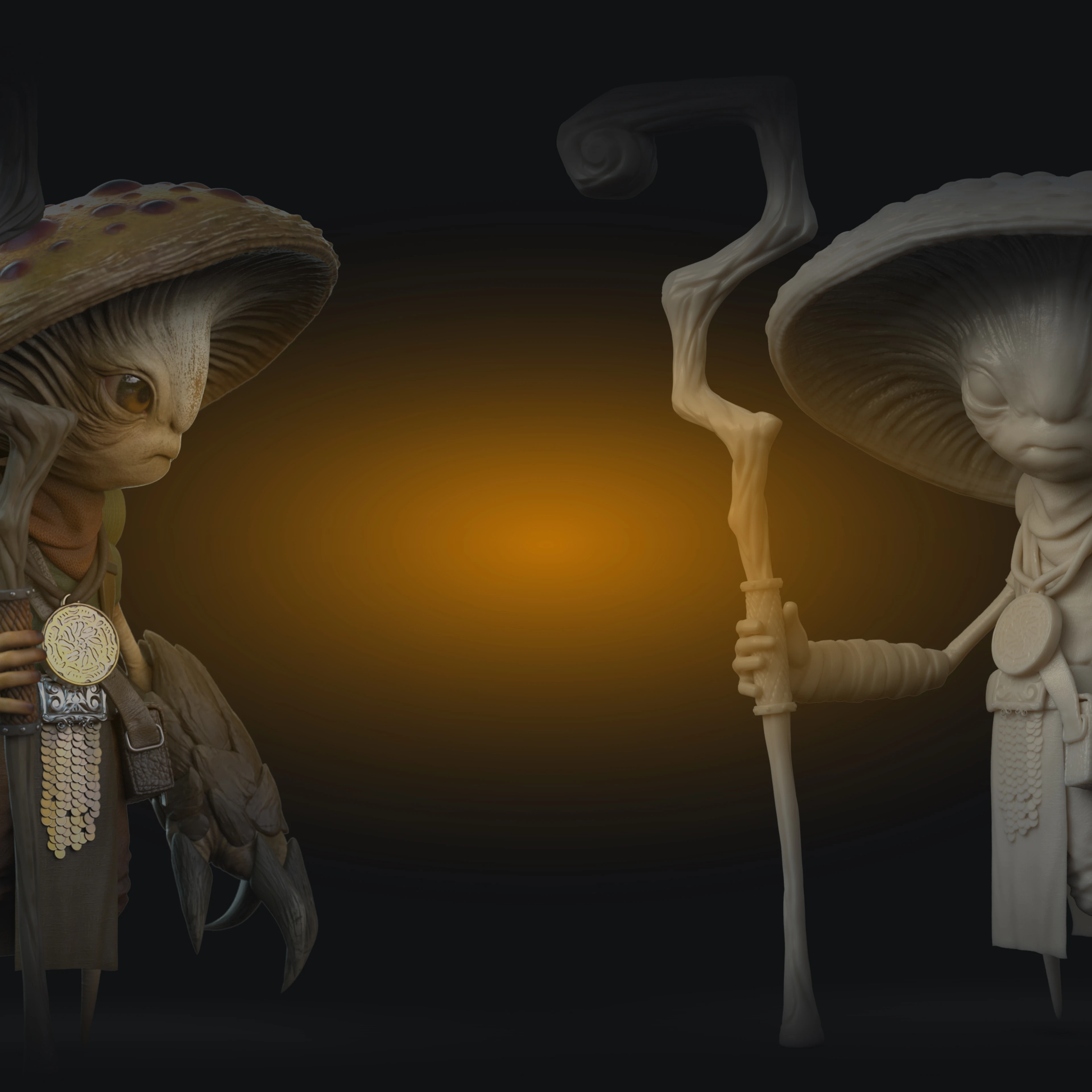
In their own words




Get access today!
Everything you need, from the first click!
Core is always open, so you can start today. Core + Live adds live sessions with me while a cohort is running. Either way, you get the complete course.
Core
Core + Live
"What if I've tried learning ZBrush before and gave up?"
Most people who bounce off ZBrush bounce off the interface, not off sculpting. Hundreds of buttons and no way to tell which twelve matter right now. Here tools arrive one at a time, in the order a real project needs them, so you're never staring at a panel you have no use for yet. The understanding comes from building something, not from a tour of the menus.
Questions
Things people usually ask
Yes, every lesson has subtitles. The player also has a search that reads the full transcript, so you can type a keyword or a phrase and it takes you straight to the moment it was mentioned. That one's worth remembering for later, when you've finished the course and want to check a specific thing without scrubbing through a lesson looking for it.
You should, and I make plenty of them myself. The difference is what you're left with afterwards. A tutorial shows you how to make one specific thing. Every lesson here is planned to pack in as much as it can while balancing the theory with the practice, and the workflows are built so they don't depend on what's being sculpted… here the workflows are built so they don't depend on what's being sculpted, which means the character in the videos is the vehicle, not the point. You finish able to approach your own projects, not just able to repeat this one.
It depends which option you buy.
Core has no start date. You get access the moment you buy it, go at your own pace, and keep it for life.
Core + Live is the same course on the same terms, plus live sessions that run on set dates when a cohort opens. Those dates are published before the cohort goes on sale, so you'll know them before you buy.
Core on its own does not include the live sessions.
You don't need to have any prior knowledge of ZBrush, this course was design for absolute beginner. However, if you are already familiar with ZBrush, the various workflows and the structure of the modules would be of great help to refine you own sculpting workflows.
Also, because of the way that the course has been structured, even if you have some prior knowledge, the lessons could help you to fill in some important gaps and help you understand why some tools work the way they do.
When you join the UZG, you'll create a student account that allows you to access the course. You can basically watch the lessons anywhere that you have an internet connection (24/7).
The content has also been optimised to work on any device so you can watch it on your phone, table or PC and keep track of your student progress.
Within the lessons there is also an option to 'mark as favourite' and the entire content of the course is 'searchable' from your dashboard ;)
We've got you covered! when you join the UZG course, you'll also get access to the awesome private community.
The UZG community is the place where you can interact with other like-minded people, share your progress and get feedback. What's great about the community is not only that is a safe space to share, but you'll find artists that are in the same stage of the learning process and others that have already gone through the lessons and can point you in the right direction.
In short, if you watch one single lesson every day (and practice the workflows), you can complete the course in 8 weeks.
One of the key aspects of the methodology of the course is the ability to go at your own pace (everyone learns differently). So there is no rush and you can fit the course within your schedule.
Because it is self-paced, the UZG is also a lifetime access so you can come back and revisit the lessons whenever you want to.
This course is 100% focusing on the full version of ZBrush and on getting you comfortable with the features, so you'll need a working copy of the full version of ZBrush (2019 or newer). There are other version of ZBrush like ZBrushCore and ZBrushCore Mini which are great starting points but they don't have all the advanced features that we will cover in the UZG.
ZBrush also gives you a 30-day trial on the full version and if you don't own a copy of ZBrush, you could also get it on a subscription basis here.
Ready When You Are
One last thing...
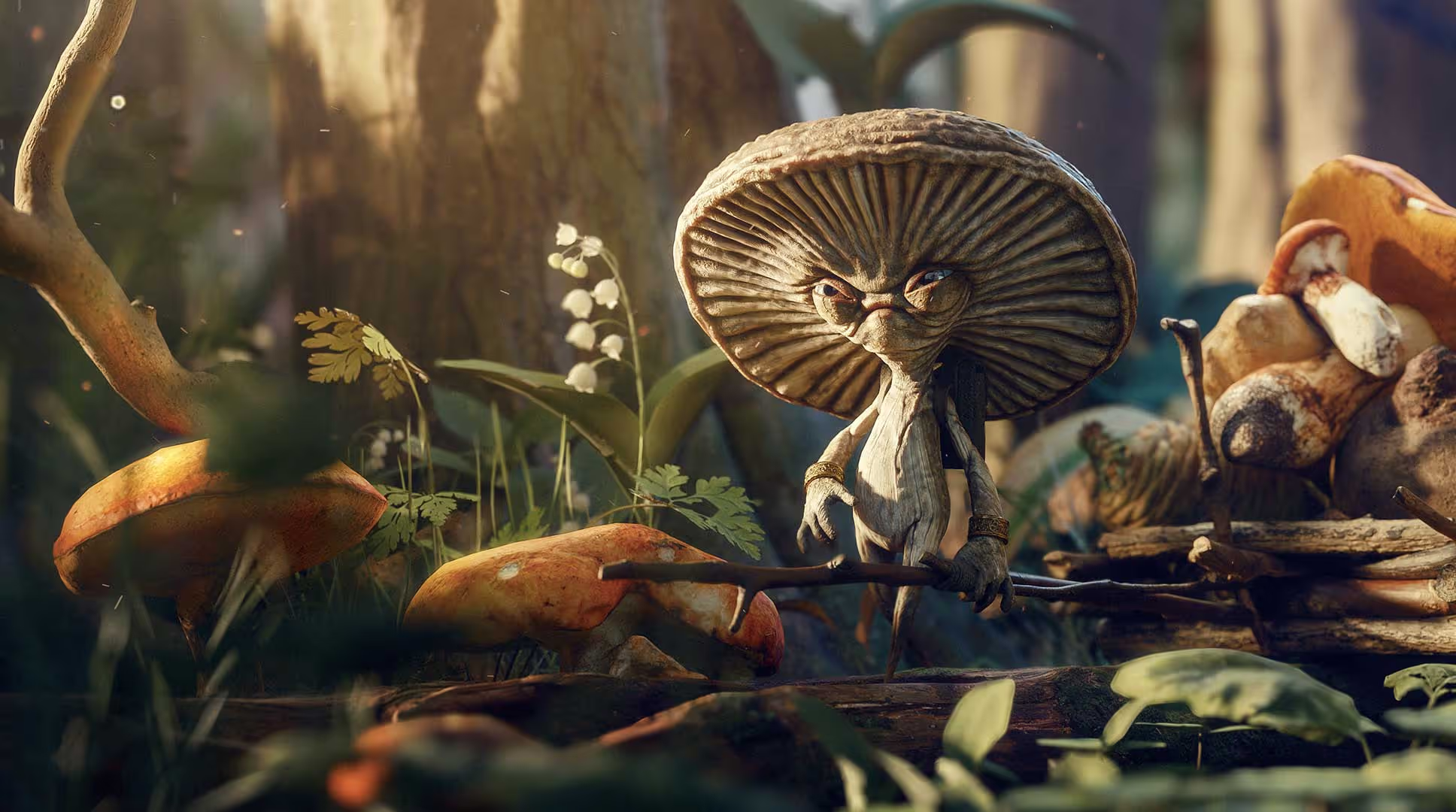
Nobody wants to learn ZBrush. What you want is to make the thing that's been sitting in your head, and ZBrush just happens to be a really great tool for it. Learn it properly once and you stop thinking about the software at all. You just think about what you're making.